On this page
- What is mental toughness?
- What mental toughness isn't
- Why mental toughness matters
- Can mental toughness be trained?
- How to build mental toughness: practical strategies
- Mental toughness in different sports
- Mental toughness for young athletes
- A four-week mental toughness plan
- For coaches
- Mental toughness and mental health
- Signs you're getting mentally tougher
- The bottom line
- FAQ
- Sources
The short version
- Mental toughness is the ability to keep performing well when things are hard: pressure, setbacks, fatigue and discomfort.
- It isn't the same as ignoring pain or never showing emotion. Tough athletes still feel nerves and doubt; they keep functioning anyway.
- Research suggests it's partly stable but can be developed with training.
- Practising under controlled pressure, using self-talk, routines and goal setting all help build it.
- Recovery, support and knowing when to stop are part of mental toughness, not the opposite of it.
"Mental toughness" is one of the most used phrases in sport. Commentators credit it for comebacks. Coaches blame its absence for collapses. Athletes say it's what separates good from great. But ask ten people what it actually means and you'll get ten different answers, many of them unhelpful: never show weakness, ignore pain, just want it more.
Sport psychologists have spent decades trying to pin it down. Their picture is more useful than the clichés. Mental toughness isn't about being emotionless or reckless. It's about keeping your head when things get difficult, and it can be trained.
This guide explains what researchers mean by mental toughness, what it looks like in practice, what it isn't, and the most practical ways to build it in training so it holds up when it counts.
What is mental toughness?
One of the most cited definitions comes from a 2002 study by Graham Jones, Sheldon Hanton and Declan Connaughton, who interviewed elite athletes about what mental toughness meant to them. They described it as having a natural or developed psychological edge that lets you cope better than opponents with the demands of sport, and be more consistent and better than opponents in staying determined, focused, confident and in control under pressure.
In plain English, mentally tough athletes tend to:
- Stay focused on what matters when distractions or pressure rise.
- Keep going, and keep thinking clearly, when they're tired or uncomfortable.
- Recover quickly from mistakes and setbacks.
- Stay confident in their preparation and ability.
- Keep working towards goals through boring, difficult or disappointing periods.
A 2015 study by Daniel Gucciardi and colleagues found that mental toughness is best understood as a single overall capacity, partly stable like a personality trait but also influenced by experience and context. In other words, some people start with more of it, but everyone can develop it.
What mental toughness isn't
The popular image of mental toughness can do real harm. It's worth being clear about what it doesn't mean.
- It isn't ignoring injury. Pushing through the normal discomfort of hard training is part of sport. Running on a stress fracture isn't toughness; it's how seasons end.
- It isn't never feeling nervous or doubtful. Mentally tough athletes feel pressure too. They keep functioning with it. Our guide to pre-game nerves explains how.
- It isn't hiding emotions. Acknowledging frustration or disappointment, then refocusing, is healthier and more effective than pretending you don't feel anything.
- It isn't refusing help. Asking for support from coaches, teammates, physiotherapists or psychologists is a sign of taking your performance seriously.
- It isn't training through exhaustion every day. Knowing when to rest takes discipline too.
Why mental toughness matters
Research links mental toughness with better performance, especially under pressure, and with more consistent effort in training. It also seems to matter outside sport. A 2017 systematic review by Yuan Lin and colleagues found that higher mental toughness was associated with better performance in education and work, better psychological wellbeing, and lower levels of stress, anxiety and depression.
That doesn't mean mental toughness causes all of those things, and much of the research is cross-sectional. But the pattern is consistent enough to suggest it's a useful quality to develop.
Can mental toughness be trained?
Yes. A 2019 review by Guo Chen Liew and colleagues concluded that mental toughness develops through a combination of experiences, environment and deliberate skill-building, and that structured interventions can increase it.
One of the best-known examples is a 2013 study by James Bell, Lew Hardy and Stuart Beattie with elite young cricketers. Over a training period, players were exposed to demanding, pressure-filled practice with meaningful consequences, alongside training in coping strategies and supportive coaching. Compared with a control group, they showed greater improvements in mental toughness and in their performance under pressure, as rated by coaches and measured in batting tests.
The key elements were pressure plus support: challenging situations, with the skills and encouragement to cope with them.
How to build mental toughness: practical strategies
1. Train under pressure, on purpose
You can't learn to perform under pressure if training never has any. Add pressure deliberately:
- Keep score in drills and set small consequences for losing.
- Practise skills when tired, such as free throws or penalties at the end of a session.
- Have teammates or coaches watch key reps.
- Simulate match scenarios: one minute left, one point down.
- For endurance athletes, do hard sessions alone, in bad weather, or with a negative split target.
Start small. The goal is challenge you can cope with, not overwhelming stress.
2. Use self-talk
What you say to yourself in hard moments shapes what you do. A 2011 meta-analysis by Antonis Hatzigeorgiadis and colleagues found that self-talk had a clear positive effect on sports performance. Instructional self-talk ("smooth", "high elbows", "eyes on the ball") helps with technique, and motivational self-talk ("strong", "keep going", "you've done this before") helps with effort and endurance.
Prepare your phrases in advance. Write down two or three for the moments when it gets hardest, and practise using them in training.
3. Build routines
Routines give your attention a job when pressure rises. A pre-performance routine (before a serve, a kick, a start) and a reset routine after mistakes both help you stay in control. A simple reset: acknowledge the mistake, take one slow breath, say your cue word, focus on the next action.
4. Set goals that keep you going
Clear goals make it easier to keep going when motivation dips. Combine a long-term goal with weekly process goals, such as "complete all planned sessions" or "use my reset routine after every error". Process goals are within your control, which helps build confidence even when results aren't going your way.
5. Collect evidence of your preparation
Confidence under pressure comes from knowing you're prepared. Keep a training log and note sessions where you pushed through difficulty, adapted to bad conditions or performed well when tired. Before big events, read it back. It's much harder to doubt yourself when you can see what you've already done.
6. Get comfortable with discomfort
Endurance athletes learn to tolerate discomfort by experiencing it regularly in controlled doses. Hard intervals, long sessions and strength work teach you that discomfort is temporary and manageable. Notice the difference between effort discomfort, which is normal, and pain that signals injury, which isn't.
7. Reframe setbacks
Setbacks are inevitable: injuries, bad races, non-selection. Mentally tough athletes tend to treat them as information rather than verdicts. After a setback, ask:
- What can I learn from this?
- What's in my control now?
- What's my next small step?
Allow yourself to feel disappointed first. Then move to the questions.
8. Look after the basics
It's much harder to stay composed when you're exhausted, under-fuelled or stressed. Sleep, nutrition and recovery underpin mental toughness as much as any psychological technique.
Mental toughness in different sports
The core skills are the same everywhere, but they show up differently depending on what your sport asks of you.
Endurance sports
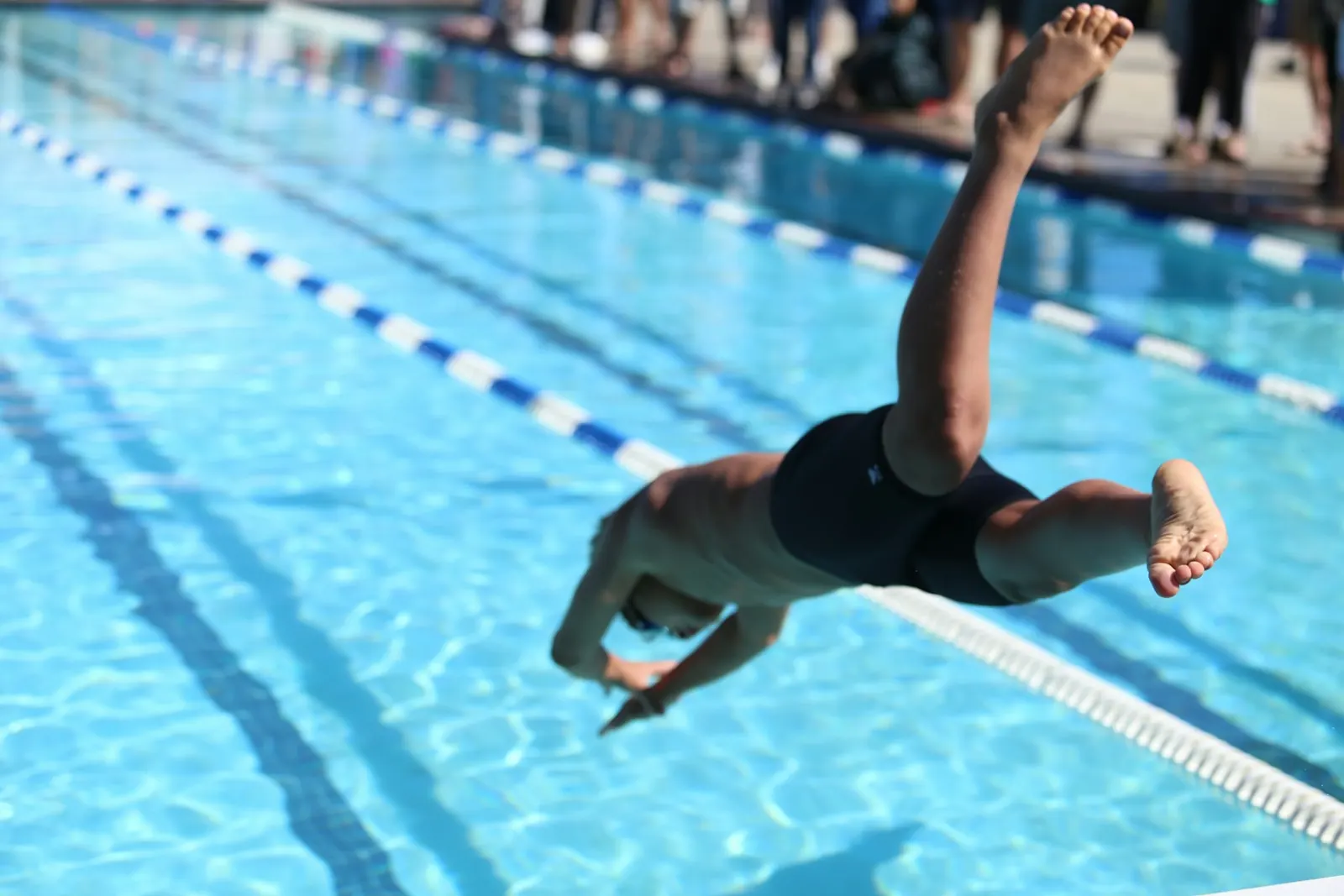
For runners, cyclists, swimmers and triathletes, mental toughness is mostly about managing discomfort and staying on plan when everything in your body is asking you to slow down. Useful tools include breaking a race into small sections ("just get to the next lamp post"), checking in on form and relaxation rather than on how much it hurts, and using motivational self-talk in the final third. Practising these in hard training sessions is what makes them available on race day.
Team sports
In football, rugby, hockey and basketball, the demands change second by second. Mental toughness shows up as recovering quickly from errors, staying in the game after a bad call, communicating under pressure and keeping your role when the team is losing. Short reset routines and clear, simple roles help. So does a team culture where mistakes are expected and discussed, not hidden.
Precision and individual skill sports
Golf, tennis, darts, shooting and gymnastics test mental toughness through long periods of waiting, very small margins and the need to repeat a skill exactly under pressure. Pre-performance routines, controlled breathing and a narrow focus on the target matter most. Imagery of the exact situation, including nerves, helps the real moment feel familiar.
Combat sports
Boxing, martial arts and wrestling combine physical discomfort with direct confrontation. Toughness here includes staying composed after being hit, sticking to tactics when tired, and managing the intense nerves before a bout. Sparring under controlled pressure and rehearsing fight plans are the main ways athletes build it.
Mental toughness for young athletes
Young athletes build toughness best in environments that feel safe enough to take risks and make mistakes. Harsh criticism and fear of punishment tend to produce anxiety rather than toughness. Parents and coaches can help by praising effort and good decisions, letting young athletes experience manageable challenges and setbacks, and teaching simple tools like a breath and a cue word. Most of all, keeping sport enjoyable keeps young athletes in it long enough to develop.
A four-week mental toughness plan
| Week | Focus | What to do |
|---|---|---|
| 1 | Self-awareness | After each session, note one moment that was hard and how you responded. Choose two self-talk phrases. |
| 2 | Self-talk and routines | Use your phrases in every hard moment. Create a 10-second reset routine and practise it after every mistake. |
| 3 | Pressure practice | Add one pressure element to two sessions: scoring, an audience, fatigue or consequences. |
| 4 | Evidence and review | Read back your notes. List five times you coped well. Use them before your next competition. |
For coaches
Coaches have a big influence on mental toughness. Research and coaching practice suggest a few principles:
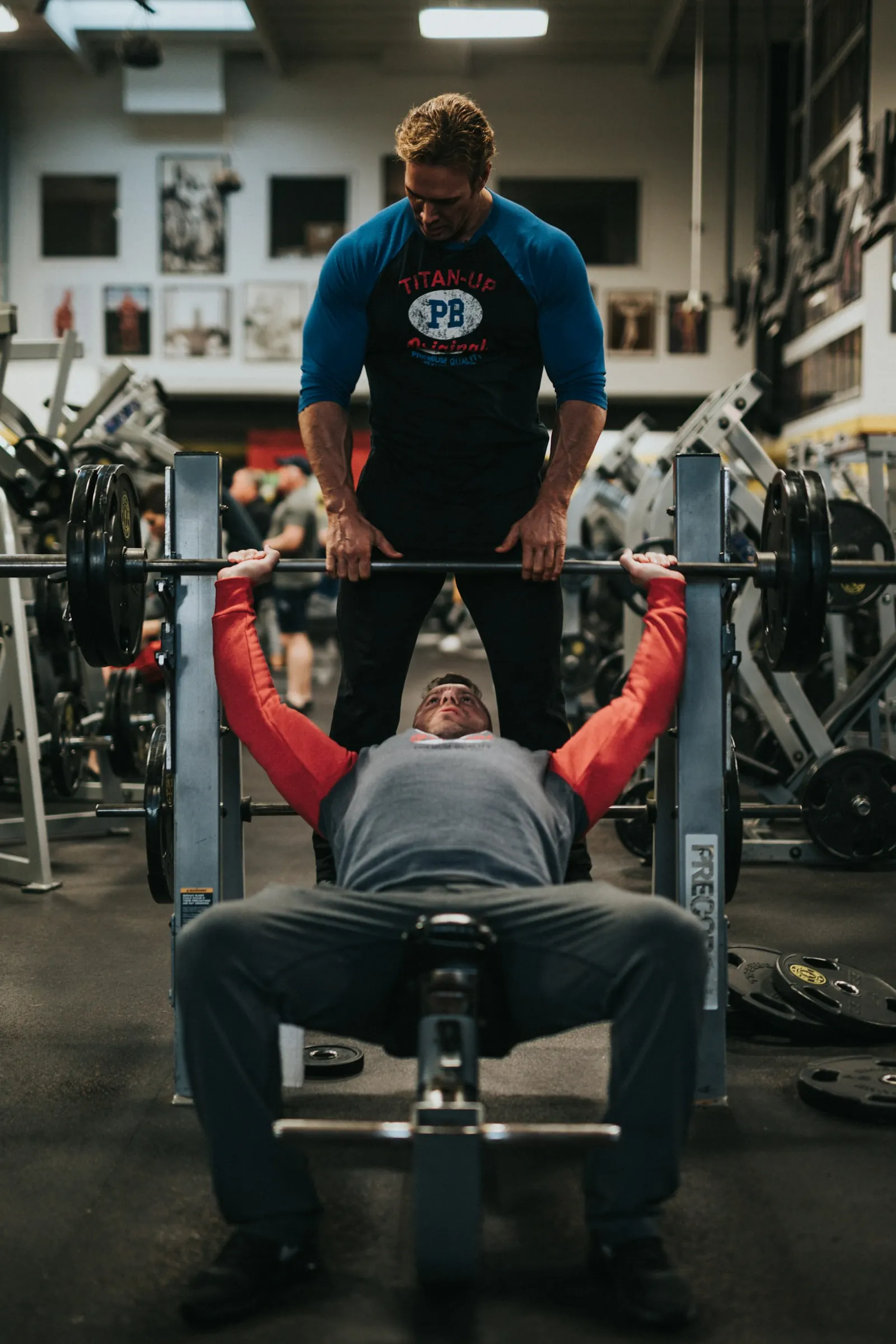
- Challenge and support together. High expectations work best alongside warmth and encouragement.
- Add pressure gradually. Build up from low-stakes to high-stakes situations.
- Teach coping skills explicitly. Don't assume athletes will figure them out.
- Praise effort and response, not just outcomes.
- Normalise struggle. Talk openly about nerves, setbacks and how to handle them.
- Avoid "toughness" that harms. Punishing athletes for being injured or upset undermines both performance and wellbeing.
Mental toughness and mental health
There's an important line between toughness and suppression. Athletes who believe they must never show weakness can delay seeking help for anxiety, depression or burnout. Genuine mental toughness includes recognising when you need support and asking for it.
If you're struggling with low mood, anxiety, disordered eating or thoughts of self-harm, talk to a doctor, counsellor or qualified sport psychologist. Getting help is part of looking after your performance and your life beyond sport.
Signs you're getting mentally tougher
- You recover from mistakes faster during games.
- You finish hard sessions more often as planned.
- Pressure situations feel more familiar and less threatening.
- You can name what you're feeling and still focus on your next action.
- You stay consistent with training through busy or difficult weeks.
The bottom line
Mental toughness isn't a mysterious gift or an excuse to ignore pain. It's a set of capacities (focus, confidence, control and persistence) that can be developed through challenging experiences, deliberate skills and supportive environments.
Start with one tool this week: two self-talk phrases, a reset routine, or one pressure element in training. Build from there. Toughness grows from many small moments of coping well, long before the big one arrives.
Frequently asked questions
Are some people just born mentally tough?
Personality plays a part, but research and coaching experience suggest mental toughness can be developed through experience and deliberate practice.
Is mental toughness the same as resilience?
They overlap. Resilience usually describes bouncing back from setbacks. Mental toughness also covers performing consistently under pressure and staying focused on goals.
Does mental toughness mean training through pain?
No. Pushing through normal discomfort is part of sport. Ignoring injury pain isn't toughness, and it often ends seasons.
How do I build mental toughness as a beginner?
Start with small challenges: finishing planned sessions, sticking to a routine, using a cue word when it gets hard. Confidence builds from evidence of what you've already done.
Can coaches teach mental toughness?
Yes. Coaches who create challenging but supportive environments, add pressure to practice and teach coping skills tend to develop tougher athletes.
Can mental toughness help outside sport?
Research links it to better wellbeing, lower stress and better performance in education and work, not just sport.
Sources and further reading
- Jones G, et al. What Is This Thing Called Mental Toughness? An Investigation of Elite Sport Performers. Journal of Applied Sport Psychology, 2002;14(3):205-218. DOI
- Gucciardi DF, et al. The concept of mental toughness: tests of dimensionality, nomological network, and traitness. Journal of Personality, 2015;83(1):26-44. DOI PubMed
- Lin Y, et al. Mental Toughness and Individual Differences in Learning, Educational and Work Performance, Psychological Well-being, and Personality: A Systematic Review. Frontiers in Psychology, 2017;8:1345. DOI PubMed
- Bell JJ, et al. Enhancing mental toughness and performance under pressure in elite young cricketers: A 2-year longitudinal intervention. Sport, Exercise, and Performance Psychology, 2013;2(4):281-297. DOI
- Hatzigeorgiadis A, et al. Self-Talk and Sports Performance: A Meta-Analysis. Perspectives on Psychological Science, 2011;6(4):348-56. DOI PubMed
- Liew GC, et al. Mental toughness in sport. German Journal of Exercise and Sport Research, 2019;49(4):381-394. DOI
This guide is general education, not a diagnosis or treatment plan. If you have pain that is severe, getting worse or not improving after two to three weeks, see a doctor or physiotherapist. Read our full medical disclaimer.
Photography: Unsplash contributors. Published 14 October 2026, last reviewed 14 October 2026.