
Stay healthy enough to keep training
Common sports injuries explained, how to recover from them and how to stop them coming back. Plus sleep, mobility and the everyday habits that keep you training.
Start with this guide
Every guide in this lane lists its sources at the end. Start with this one, then work through the newer guides below.

Shin Splints: Why They Happen and How to Get Back to Running
What causes shin splints, how to treat them, the exercises that help and a step-by-step plan to return to running pain-free.
Read the guide →Newer guides

Sleep for Athletes: How Much You Need and How to Get More
Why sleep matters for performance and injury, how much athletes need and practical ways to sleep better around training.
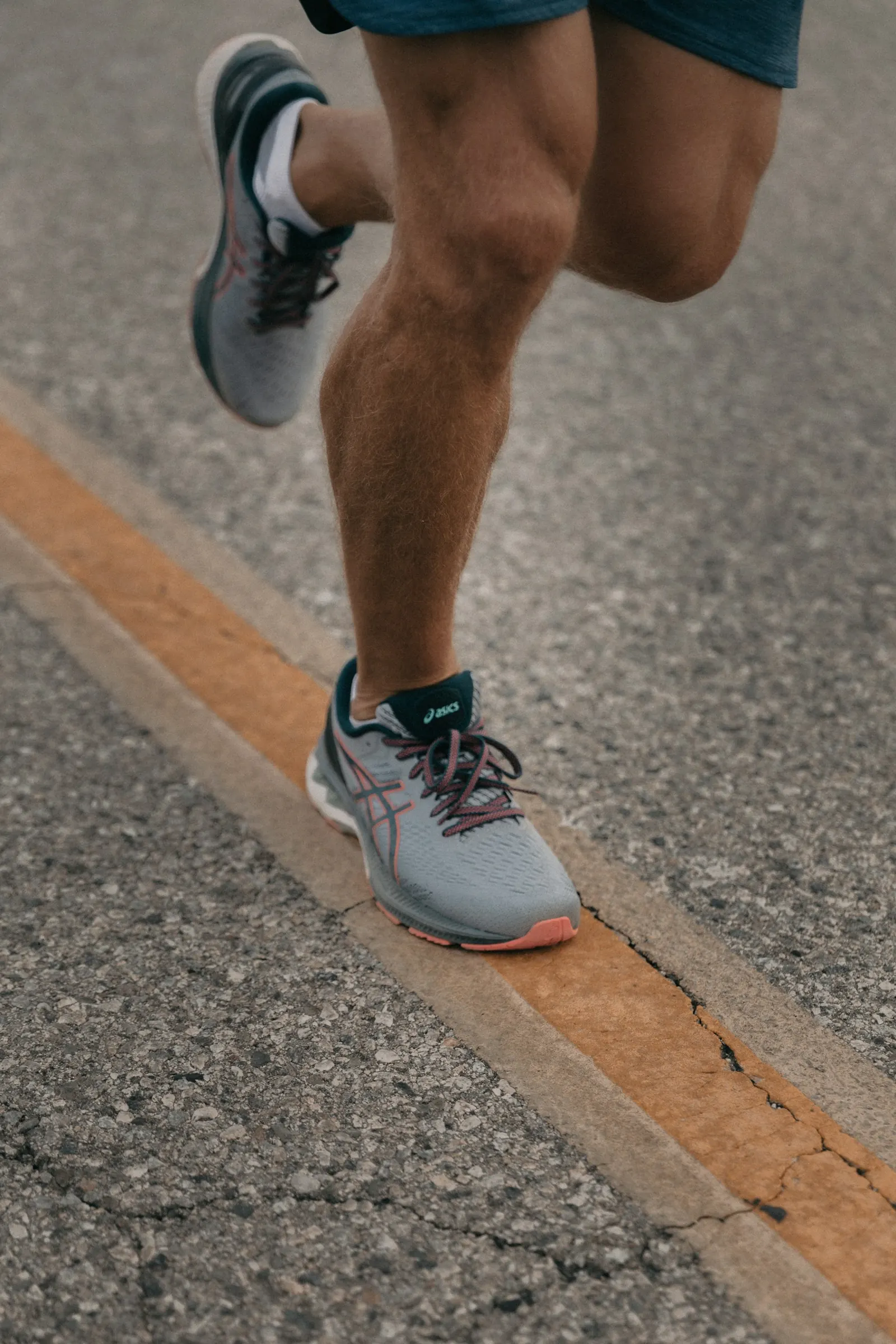
Runner's Knee: Causes, Exercises and How to Get Back to Running
What causes pain around the kneecap, the hip and knee exercises that work best and how to keep running while it settles.

Plantar Fasciitis: Causes, Treatment and Exercises for Heel Pain
Why the heel hurts with your first steps, the stretches and strength exercises that help most, insoles, and recovery time.
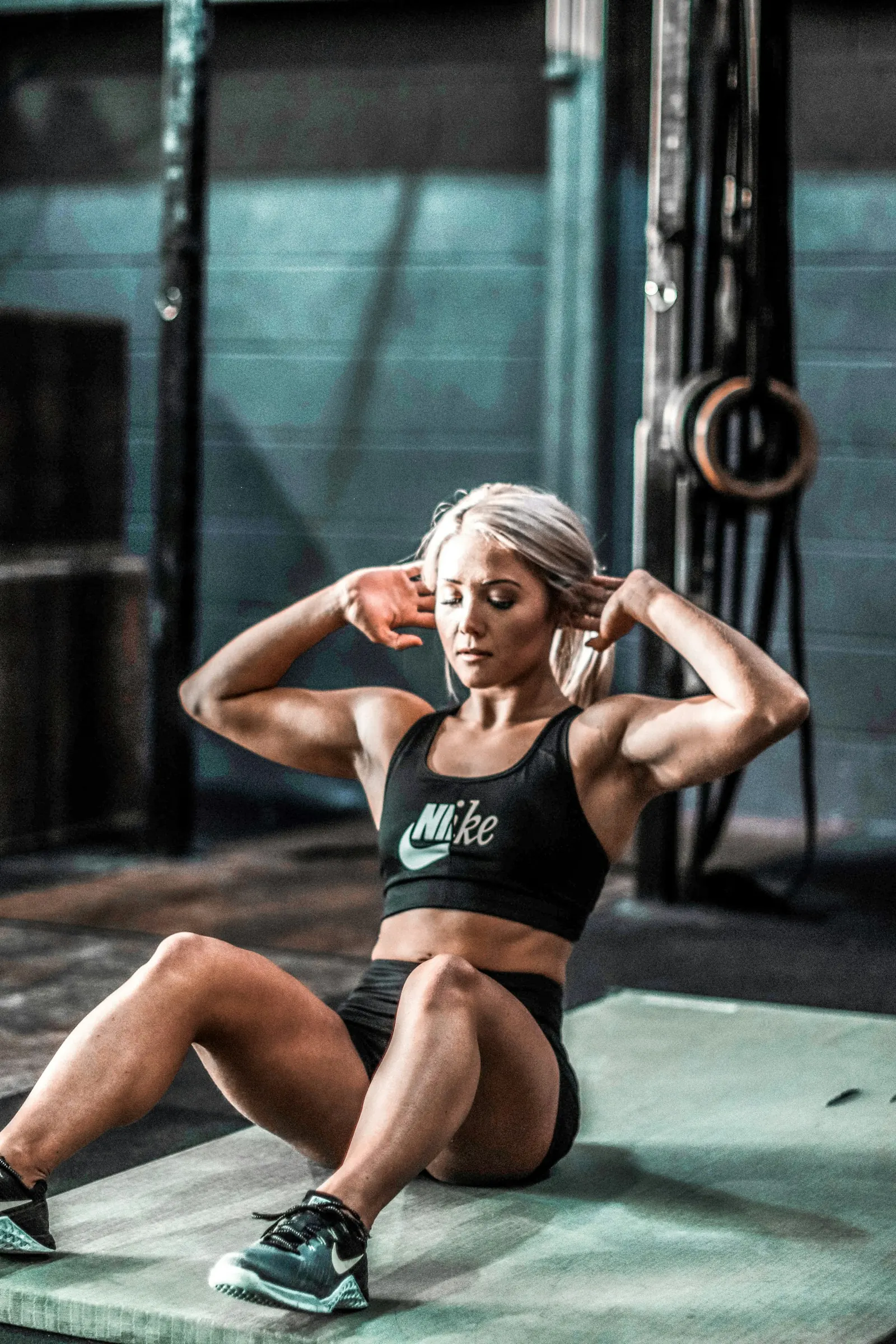
Muscle Soreness After Exercise (DOMS): Why It Happens and What Helps
Why muscles ache a day or two after hard exercise, what actually helps, whether to train through it, and soreness versus injury.
Staying available to train
There's an old coaching line: the best ability is availability. The athlete who trains consistently for a year will nearly always beat the more talented one who spends four months of it injured.
Most sports injuries aren't bad luck. Overuse injuries in particular (shin splints, tendon pain, stress reactions) tend to follow a pattern. Training load jumps faster than the body can adapt, recovery falls behind, and a tissue that was coping finally stops coping.
This lane explains that pattern for the injuries we see most often, and what you can do about each one. We stick to what the research supports: gradual loading, strength work and sensible return-to-play plans, rather than gadgets and quick fixes.
We also cover the everyday side of recovery: sleep, rest days, mobility, and how to tell normal training soreness from pain that needs attention. None of it replaces a physiotherapist or doctor who can examine you. It should help you ask them better questions, and help you understand the answers.
A practical note. If you're reading this because something hurts right now, check the red-flag list in each guide first. Some symptoms need a professional quickly, and no article should talk you out of that.
How overuse injuries happen
A few ideas explain most overuse injuries. Understand these and you can spot trouble before it stops you.
Load versus capacity
Injury risk climbs when the load you put through a tissue outpaces its capacity to handle it. Training raises capacity, but slowly.
Spikes are the danger
Sudden jumps in weekly volume or intensity are more closely linked to injury than high but steady training.
Relative rest
Most overuse injuries recover faster with modified activity than with complete rest. Keep moving within comfort.
Sleep is recovery
Athletes who regularly sleep under seven hours report more injuries and illness. Sleep is the cheapest recovery tool there is.
Pain is information
Mild discomfort that settles within 24 hours is usually acceptable during rehab. Pain that lingers or builds is a signal to back off.
Strength protects
Strength training reduces sports injury rates across many studies, often by more than stretching does.
Soreness or injury? How to tell the difference
Every athlete hurts sometimes. The skill is knowing which aches to train through, which to train around and which to stop for. Here's a rough way to sort them.
Normal training soreness (often called DOMS) is a dull, achy feeling in the muscles you worked, usually peaking one to two days after a hard or unfamiliar session. It affects both sides roughly equally, eases as you warm up and fades within three or four days. You can train through it, preferably with something easy.
A niggle is more specific. One spot, one side, often a tendon or the edge of a bone. It might hurt at the start of a session and ease off, then come back afterwards. This is the stage where small changes (less volume, softer surfaces, fewer hills, a few days of cross-training) usually sort things out within a couple of weeks.
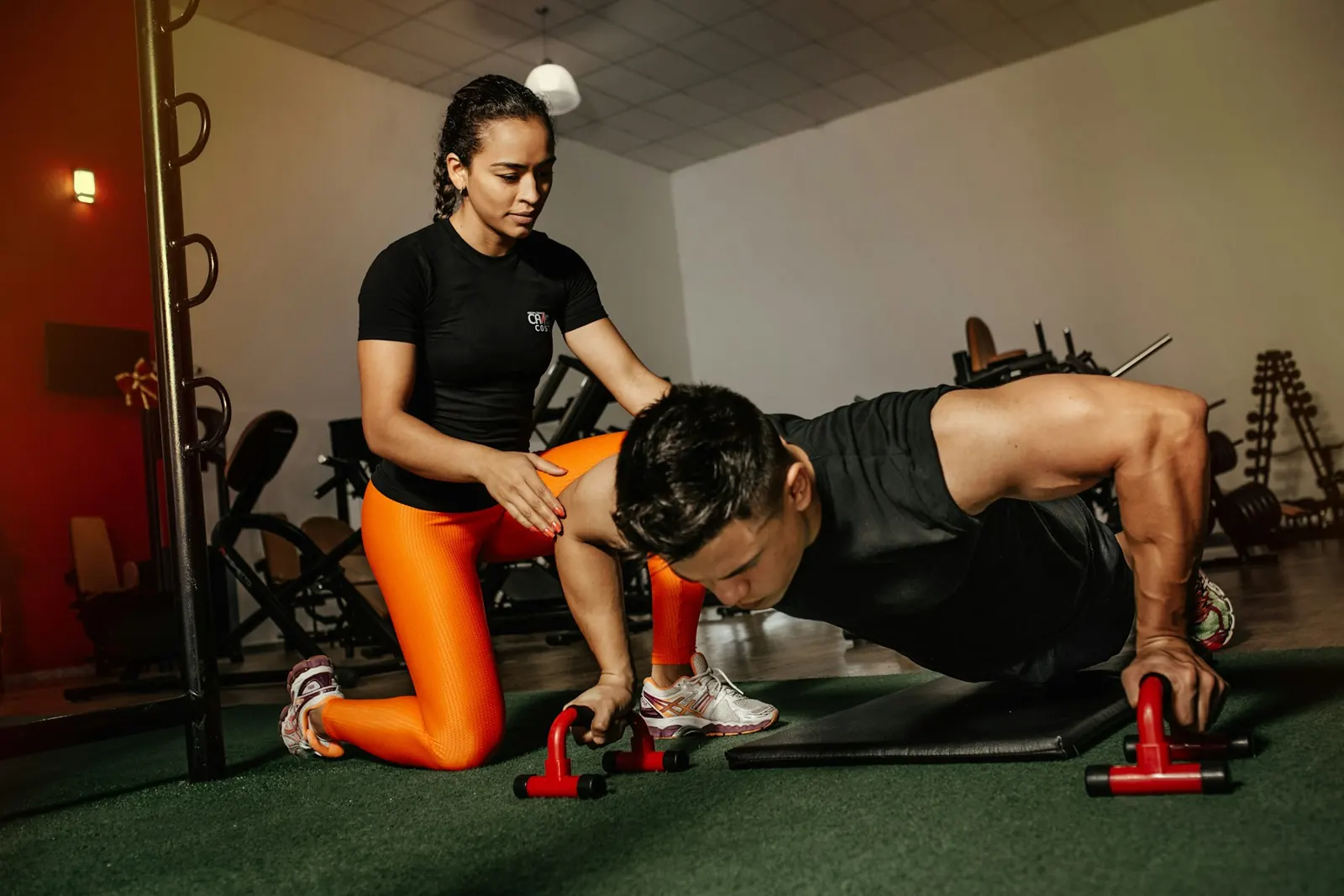
An injury changes how you move. You limp, you can't put full weight through it, or the pain gets worse as you keep going rather than easing off. Pain at night or at rest, swelling, bruising and pinpoint tenderness on a bone all belong in this group. Stop training that body part and get it assessed.
A simple traffic-light rule many physiotherapists use during rehab: pain up to about 2 out of 10 during exercise is green, 3 to 5 is amber (carry on carefully, but don't increase load), and above 5 is red (stop). Check again the next morning. If you're worse than the morning before, the previous day was too much.
When in doubt, get it looked at early. A week of modified training for a niggle is far better than two months off for an injury you trained through.
Recovery myths
Ideas that get repeated in changing rooms and comment sections, and what the research says about them.
MythIce speeds up healing.
What the evidence saysIce can ease pain in the first day or two, which is useful. It doesn't speed healing and may slow parts of it slightly. Use it for comfort, not as treatment.
MythFoam rolling breaks up scar tissue and knots.
What the evidence saysA foam roller can't physically break up tissue. It can reduce the feeling of stiffness for a short time, which may make it easier to move. That's a fine reason to use it, as long as you know what it does.
Recovery glossary
Plain-English definitions for the terms that come up across this lane.
- Overuse injury
- Damage that builds up from repeated loading without enough recovery, as opposed to a single traumatic event.
- MTSS
- Medial tibial stress syndrome, the medical name for most shin splints. Full guide.
- Stress fracture
- A small crack in a bone from repeated loading. Needs medical diagnosis and usually several weeks off impact.
- Tendinopathy
- A painful, overloaded tendon. Usually responds well to gradually progressed strength exercises.
- DOMS
- Delayed-onset muscle soreness. The normal ache one to three days after hard or unfamiliar exercise.
- Relative rest
- Reducing or changing activity so it doesn't aggravate an injury, without stopping completely.
- Training load
- The total amount of work you do: how much, how hard and how often. Sudden changes raise injury risk.
- Return-to-play
- A staged plan for getting back to full training and competition after injury.
Recovery FAQ
When should I see a doctor about a sports injury?
Get help quickly if you can't bear weight, there's obvious deformity, major swelling, numbness, or pain at rest or at night. For overuse pain, see a professional if it isn't improving after two to three weeks.
Is stretching before exercise necessary?
A dynamic warm-up (leg swings, skips, gradually faster movement) prepares you better than long static stretches. Static stretching is fine after training or as a separate session if you want more range.
How many rest days do I need?
Most recreational athletes do well with one or two easy or rest days a week. Beginners and older athletes often need more. If performance drops and fatigue builds for weeks, you need more recovery.
Are massage guns worth it?
They can make muscles feel looser for a while, much like massage or foam rolling. There's little evidence they speed recovery or prevent injury. Use one if you enjoy it.
Keep reading

Hydration for Athletes: How Much to Drink and When to Add Salt
How much to drink before, during and after exercise, how to find your sweat rate and when electrolytes are worth it.

How to Stay Motivated to Exercise When You Don't Feel Like It
Why motivation fades, why habits beat willpower and research-backed ways to keep training through busy weeks and bad weather.
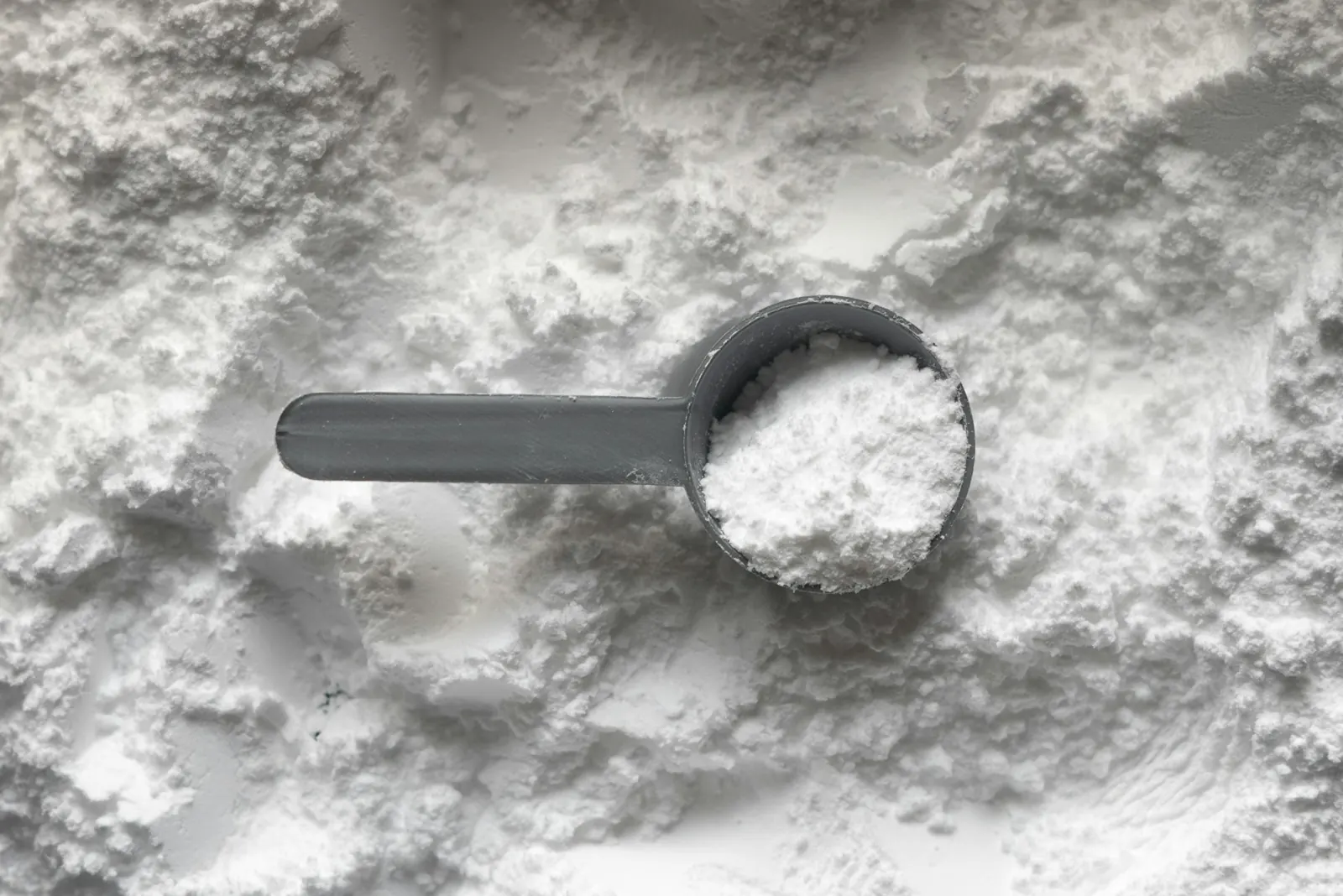
Creatine for Athletes: Benefits, Dosage and Is It Safe?
What creatine does, who benefits, how much to take, whether to load and what the research says about safety and side effects.
Get one useful email a week
New guides as they come out, plus one practical training idea. Sunday mornings, and short enough to read over coffee.