
Food is part of the training plan
Carbohydrate, protein, hydration and meal timing for active people. Sports nutrition that works with real food, normal budgets and busy schedules.
Start with this guide
Every guide in this lane lists its sources at the end. Start with this one, then work through the newer guides below.
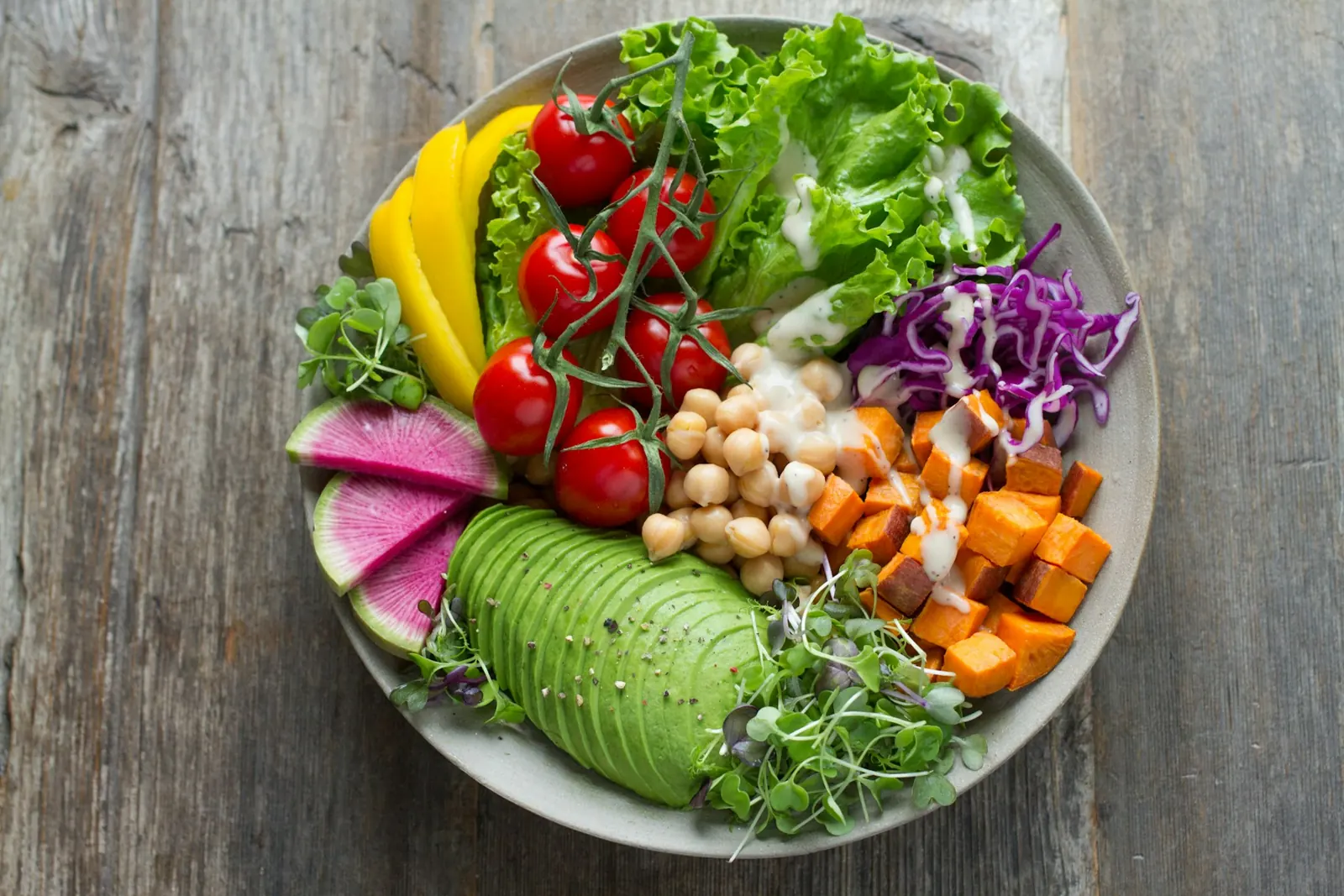
What to Eat Before, During and After Exercise
How to fuel training properly: what to eat and when, how much carbohydrate and protein you need, hydration, and easy meal ideas.
Read the guide →Newer guides
Hydration for Athletes: How Much to Drink and When to Add Salt
How much to drink before, during and after exercise, how to find your sweat rate and when electrolytes are worth it.
Creatine for Athletes: Benefits, Dosage and Is It Safe?
What creatine does, who benefits, how much to take, whether to load and what the research says about safety and side effects.
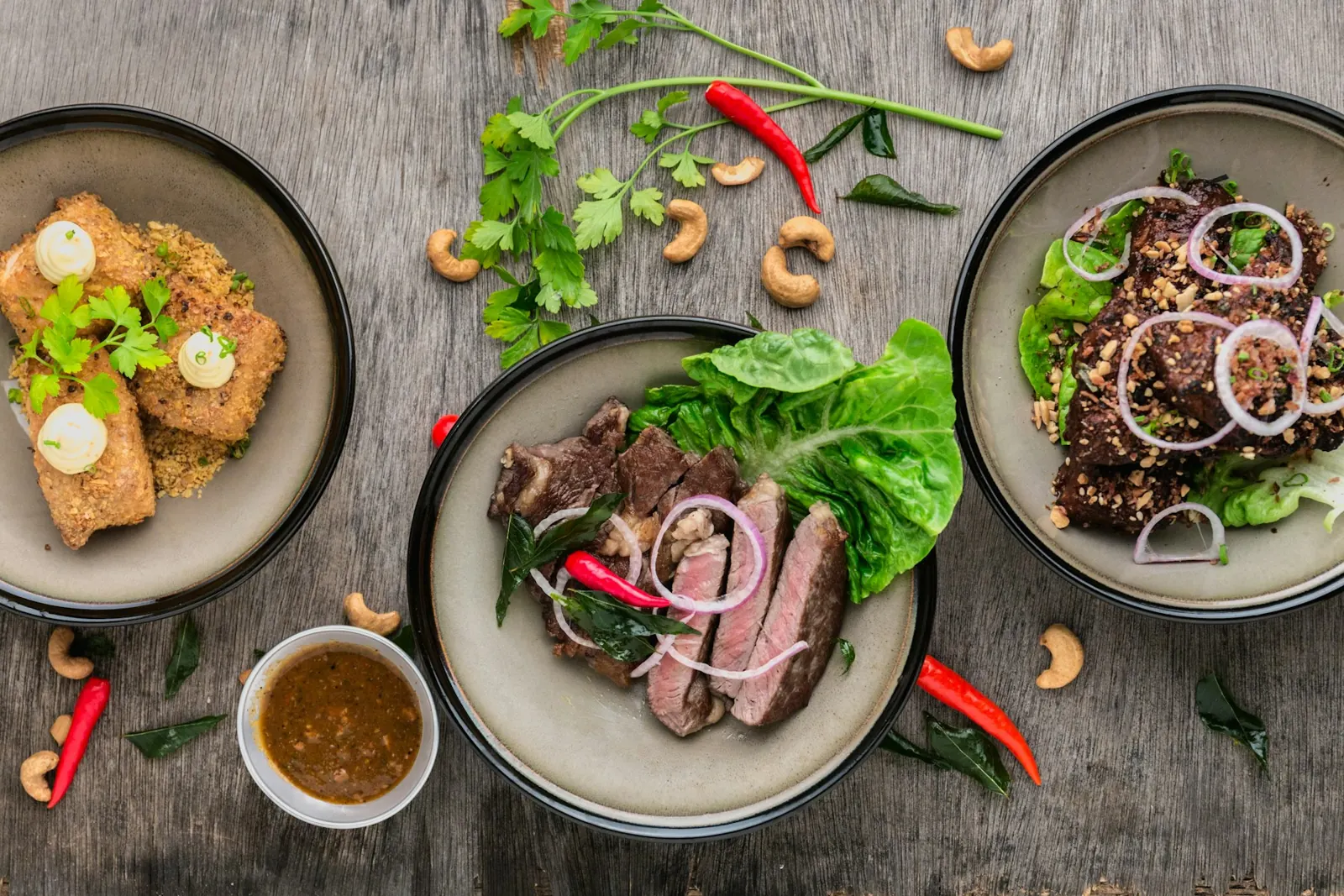
How Much Protein Do You Need? A Practical Guide for Athletes
Daily protein targets for runners, lifters and team-sport players, how much to eat at each meal and the best sources.
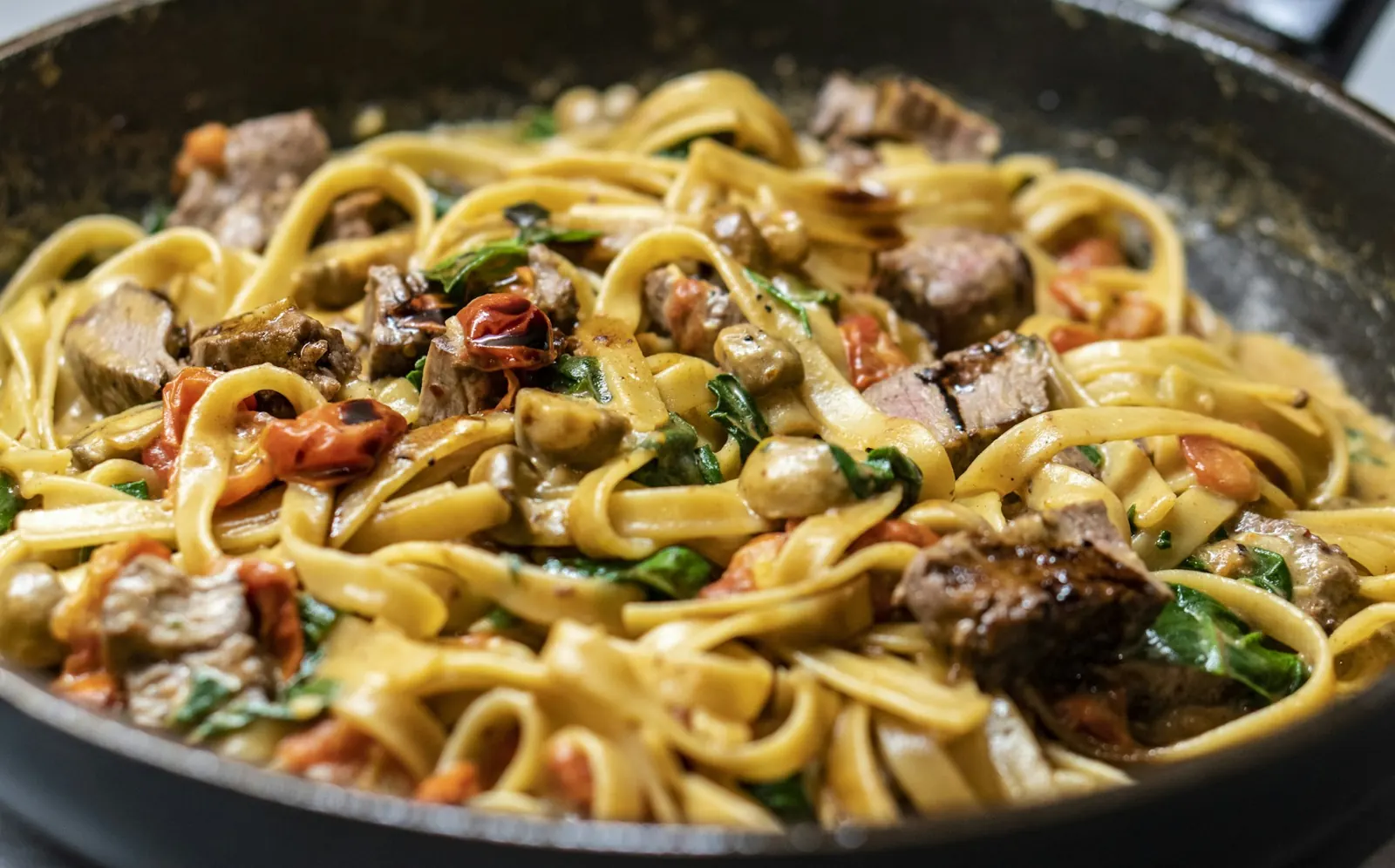
Carb Loading: How to Do It Properly Before a Marathon or Long Race
What carb loading does, who needs it, how much to eat and when, a sample menu and the mistakes that leave runners heavy and flat.
Fuel first, supplements a distant second
The supplement aisle would have you believe performance comes in a tub. Mostly it doesn't. The athletes who recover fastest and train hardest tend to have quite boring diets: enough total food, enough carbohydrate around hard sessions, protein spread through the day and plenty of water.
The catch is that "eat enough" is easy to say and harder to do than it sounds. A lot of active people, particularly those trying to lose weight at the same time, under-eat without realising it. They feel flat in sessions, pick up every cold going, sleep badly and blame their training plan.
This lane covers the practical side. What to eat before a morning session when you can't face breakfast. How much protein is actually useful. How to drink enough without overdoing it. When a sports drink earns its place and when water is fine.
Our guides lean on position statements from the American College of Sports Medicine and the International Society of Sports Nutrition, plus the research behind them. We also say how strong the evidence is. When something is a sensible guess rather than proven, you'll hear it from us.
One thing we won't do is sell you a meal plan or a supplement stack. Food advice has to fit your culture, budget and the kitchen you actually have, so we focus on principles you can apply to whatever you already eat.
The nutrition basics that matter
Get these right and you've captured most of the benefit. The rest is fine-tuning.
Energy availability
Eat enough to cover training and normal life. Long-term under-fuelling harms hormones, bones and performance.
Carbohydrate is fuel
Muscles run on stored glycogen during hard or long exercise. Match carbohydrate to how hard you're training that day.
Protein, spread out
Around 1.4 to 2.0 g per kg of body weight a day, split over three to five meals, supports repair and adaptation.
Timing helps at the edges
Meal timing matters most if you train twice a day or compete. For most people the daily total matters more.
Drink to thirst, mostly
For sessions under an hour, drinking when thirsty is enough. Longer and hotter sessions need a plan and some salt.
Food before pills
A few supplements have good evidence, caffeine and creatine among them. Most of the rest have little or none.
A fuelling routine you'll stick to
Most nutrition advice fails because it asks people to change everything at once. Try building a routine in layers instead, one habit every week or two.
Layer one: three proper meals. Before worrying about timing or supplements, make sure you're eating breakfast, lunch and dinner on training days, each with a protein source and some carbohydrate. Skipped meals are the most common reason active people feel flat.
Layer two: a pre-session snack you like. Find one or two snacks that sit well in your stomach 30 to 90 minutes before training. Bananas, toast with honey, a yoghurt, a handful of dates. Keep them where you'll see them.

Layer three: protein at every meal. Aim for a palm-sized portion or more at each meal: eggs, yoghurt, meat, fish, tofu, lentils, beans. If one meal is usually light on protein (breakfast, for most people), fix that one first.
Layer four: a water bottle habit. Carry one. Check your urine colour now and then. Pale straw is about right. Dark yellow on most days means you're not drinking enough.
Layer five: plan your big days. Long sessions, double-session days and match days are where timing and carbohydrate intake make a real difference. Plan those days the night before, using our fuelling guide.
Once these habits are automatic, you'll have done more for your training than most supplements could.
Nutrition myths
Ideas that get repeated in changing rooms and comment sections, and what the research says about them.
MythCarbs make you fat.
What the evidence saysWeight gain comes from eating more energy than you use over time, whatever the source. For active people, carbohydrate is the main fuel for hard training. Cutting it usually hurts performance.
MythTraining fasted burns more fat, so it's better for weight loss.
What the evidence saysFasted sessions do burn a higher share of fat during the session, but studies comparing fasted and fed training find similar fat loss when total intake is matched. Pick whatever you can stick to.
Nutrition glossary
Plain-English definitions for the terms that come up across this lane.
- Glycogen
- The stored form of carbohydrate in muscles and liver. Your main fuel for hard or long exercise.
- Energy availability
- The energy left for normal body functions after training is paid for. Too low for too long causes health problems.
- RED-S
- Relative Energy Deficiency in Sport. A syndrome caused by long-term under-fuelling, affecting hormones, bones, immunity and performance.
- Carb loading
- Eating extra carbohydrate in the 36 to 48 hours before events longer than about 90 minutes to top up glycogen stores.
- Leucine
- An amino acid that helps switch on muscle protein synthesis. Found in high amounts in dairy, meat, eggs and soy.
- Electrolytes
- Minerals such as sodium and potassium that you lose in sweat. Sodium matters most during long sessions.
- Hyponatraemia
- Dangerously low blood sodium, usually from drinking far more plain water than you sweat during long events.
- Gut training
- Practising eating and drinking during exercise so your stomach copes better on race day.
Nutrition FAQ
Can I lose weight and improve performance at the same time?
Yes, with a small calorie deficit and plenty of protein. Big deficits usually cost performance and recovery. Keep most of your carbohydrate around your hardest sessions.
Should athletes take vitamin supplements?
Not as a default. A varied diet covers most needs. Vitamin D (especially in winter or for indoor athletes) and iron (if a blood test shows you're low) are the common exceptions. Get tested rather than guessing.
Keep reading
How to Stay Motivated to Exercise When You Don't Feel Like It
Why motivation fades, why habits beat willpower and research-backed ways to keep training through busy weeks and bad weather.

Sleep for Athletes: How Much You Need and How to Get More
Why sleep matters for performance and injury, how much athletes need and practical ways to sleep better around training.
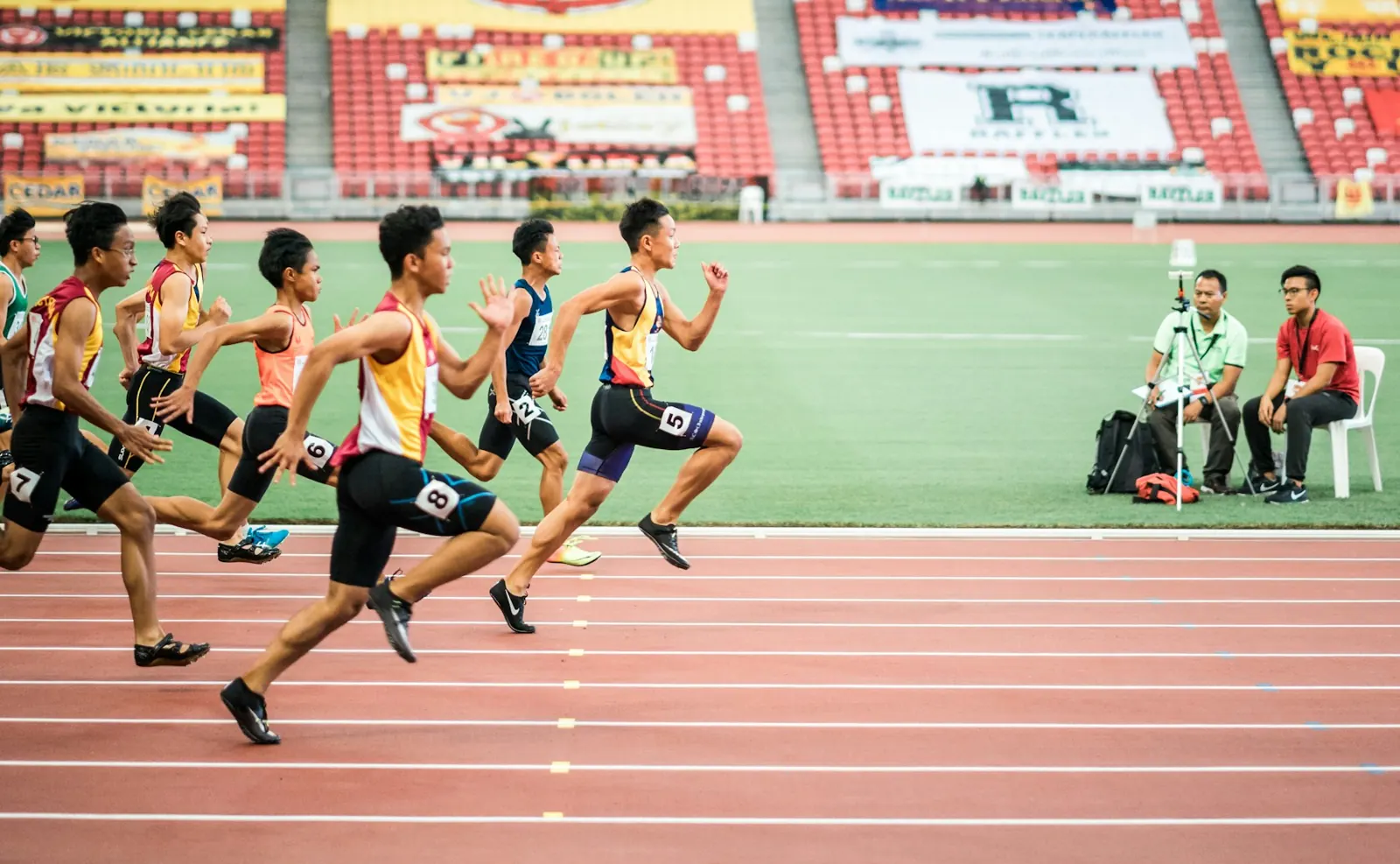
Interval Training Explained: VO2 Max, Threshold and Sprint Sessions
The main types of interval training, what each one improves, how hard to go and sample sessions you can try this week.
Get one useful email a week
New guides as they come out, plus one practical training idea. Sunday mornings, and short enough to read over coffee.