
Get fitterwithoutgetting hurt.
Guides on training, nutrition, injuries and the mental side of sport, with the research listed at the end of each one. Written in plain English for people who want to keep playing for decades.

Zone 2 Training: The Slow Work That Makes You Fast
Why elite endurance athletes spend most of their time going slow, how to find your Zone 2 heart rate and how to fit it into a busy week.
What brings you here?
Most people arrive with one specific question. Pick the one closest to yours and we'll send you to the right guide.
The four lanes
Everything we publish fits into one of four lanes. Pick the one closest to the question you have right now.
-
1
Training
Endurance, strength and how to plan a week. Getting fitter month after month without burning out or breaking down.Now reading: Interval training explained
-
2
Nutrition
What to eat, when and how much. Fuelling training, competition and recovery without the fads.Now reading: Hydration for athletes
-
3
Recovery
Injury prevention, rehab and the recovery habits that keep you training. Sleep, load management and common sports injuries.Now reading: Achilles tendon pain rehab
-
4
Mindset
Sport psychology made practical. Nerves, focus, motivation and confidence for match day and every day.Now reading: Staying motivated to train
Fresh off the blocks
The newest guides on the site. Each one lists its sources at the end.
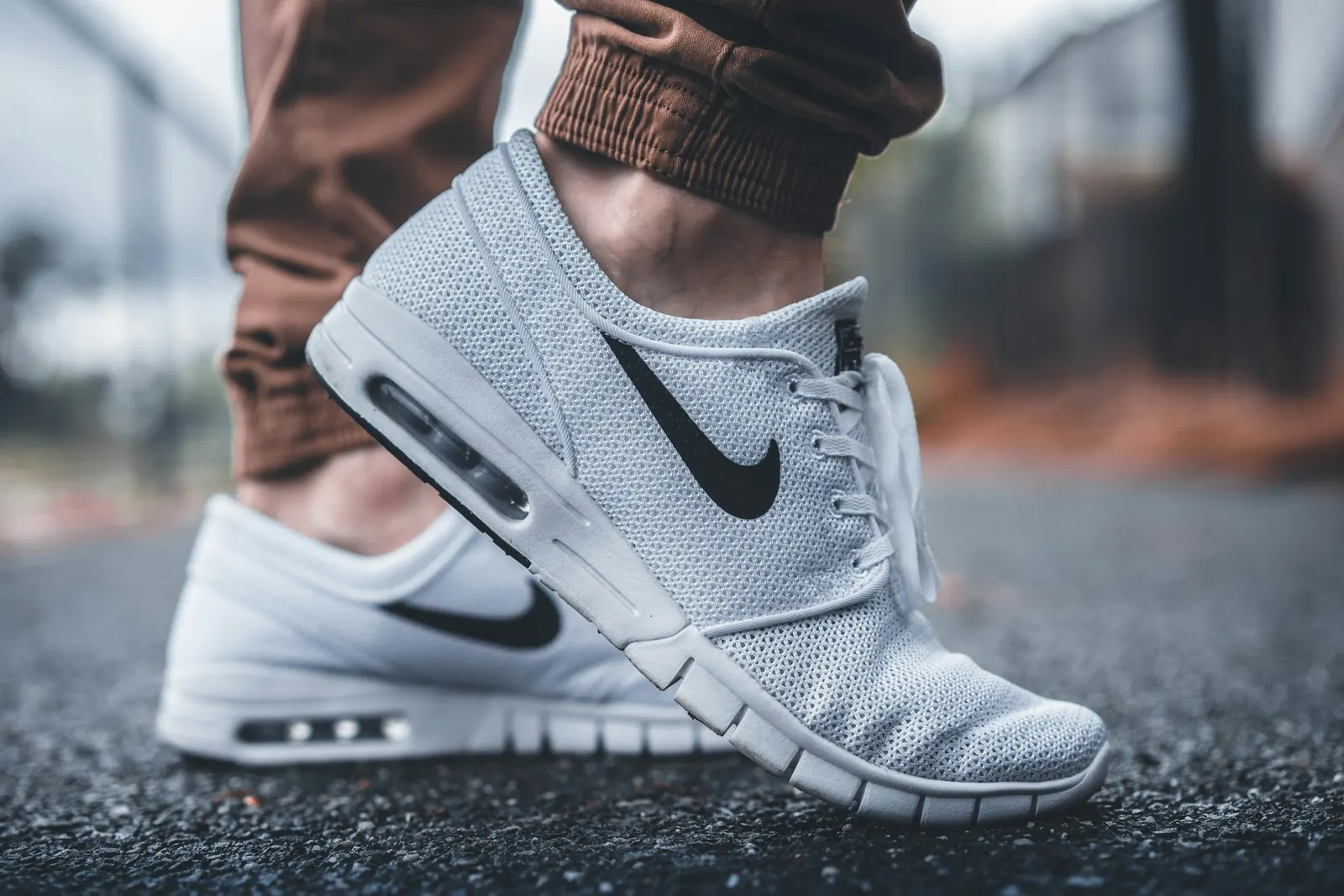
Achilles Tendinopathy: A Practical Rehab Guide for Runners
Why Achilles tendons get painful, why rest rarely fixes it, the loading exercises that work and a staged return-to-running plan.

Hydration for Athletes: How Much to Drink and When to Add Salt
How much to drink before, during and after exercise, how to find your sweat rate and when electrolytes are worth it.
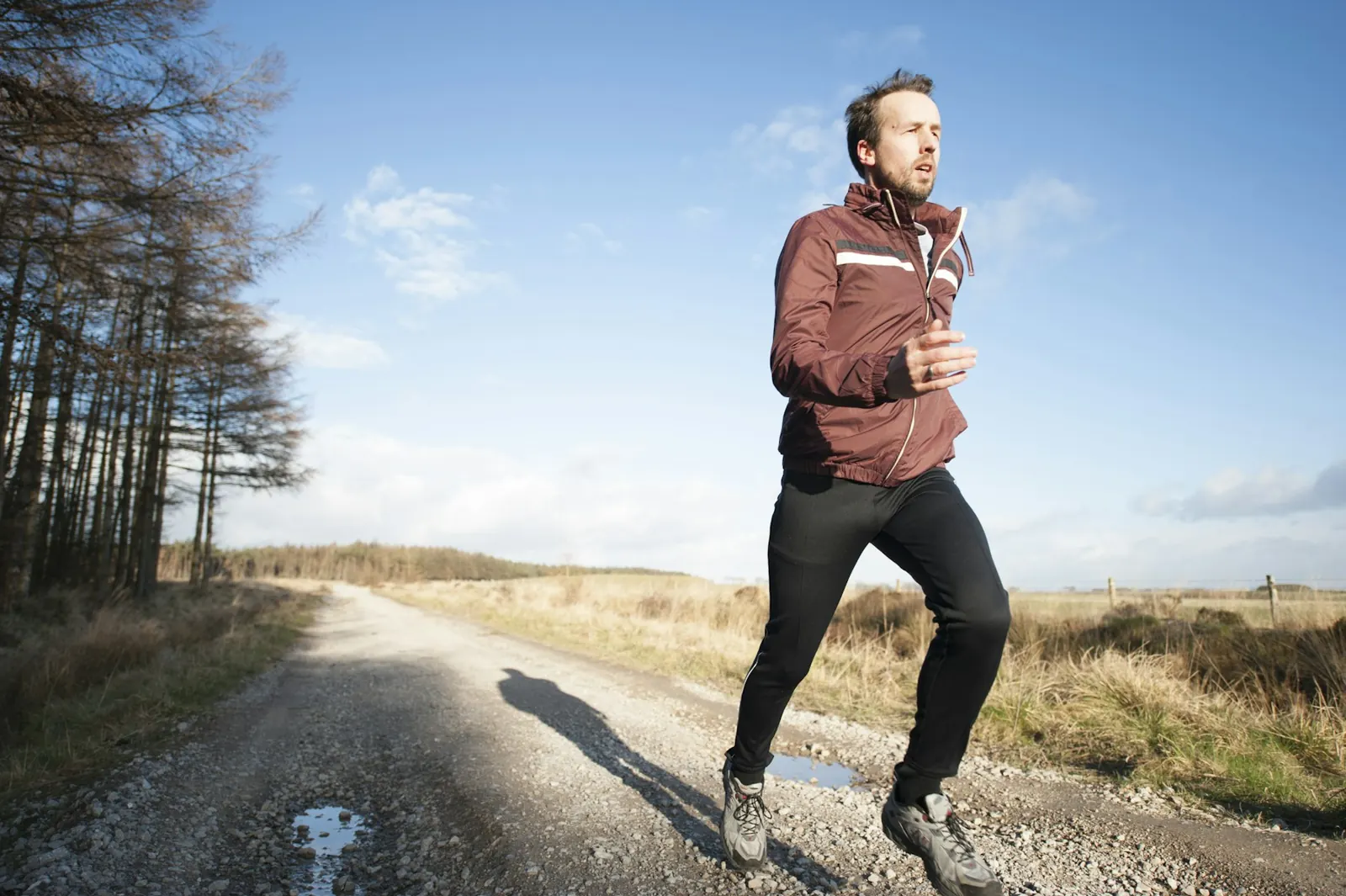
How to Stay Motivated to Exercise When You Don't Feel Like It
Why motivation fades, why habits beat willpower and research-backed ways to keep training through busy weeks and bad weather.

Sleep for Athletes: How Much You Need and How to Get More
Why sleep matters for performance and injury, how much athletes need and practical ways to sleep better around training.

Creatine for Athletes: Benefits, Dosage and Is It Safe?
What creatine does, who benefits, how much to take, whether to load and what the research says about safety and side effects.

Interval Training Explained: VO2 Max, Threshold and Sprint Sessions
The main types of interval training, what each one improves, how hard to go and sample sessions you can try this week.

Visualisation for Athletes: How to Use Mental Imagery That Works
What mental imagery does, what the research shows, and a step-by-step method for practising it so it carries over to competition.
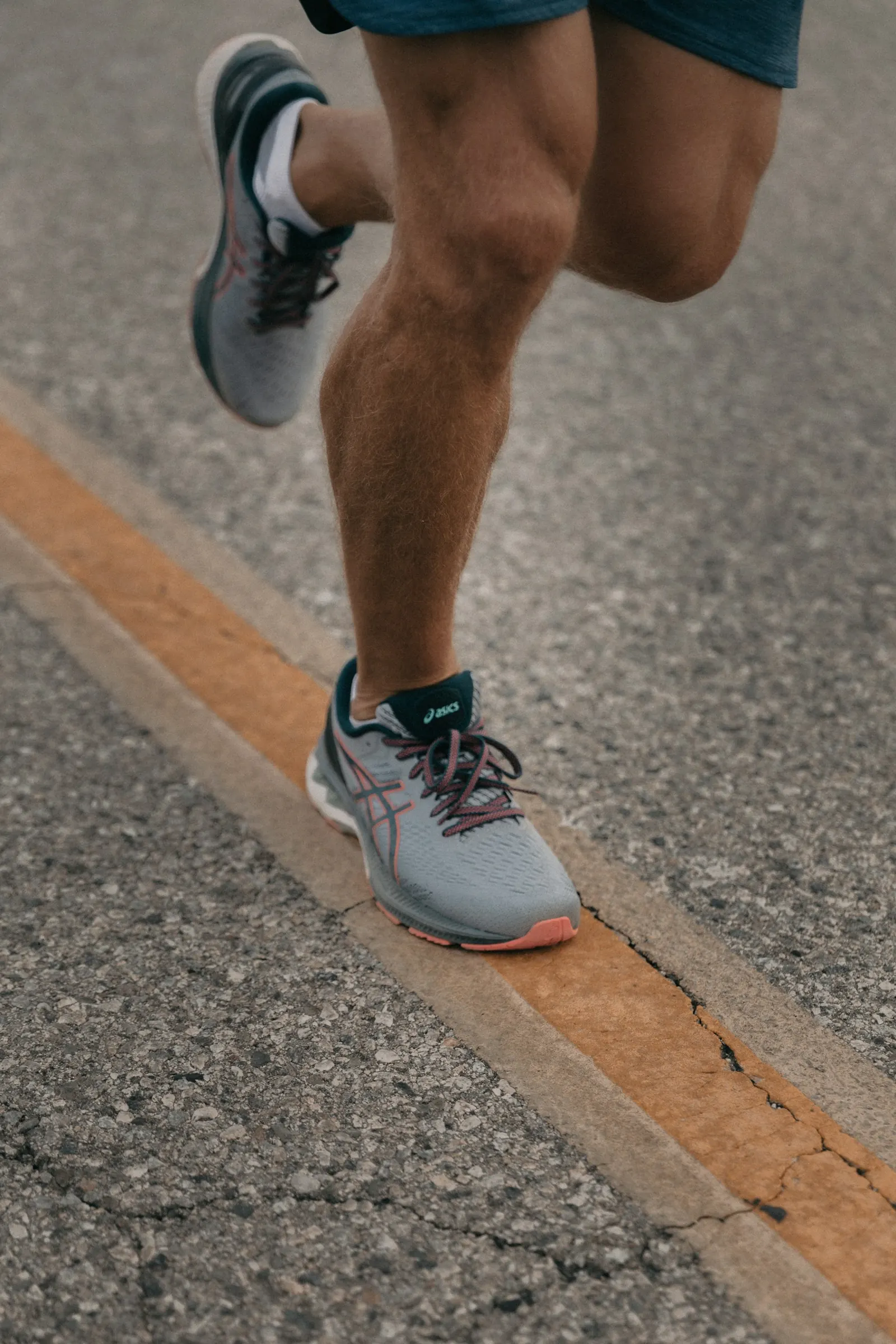
Runner's Knee: Causes, Exercises and How to Get Back to Running
What causes pain around the kneecap, the hip and knee exercises that work best and how to keep running while it settles.
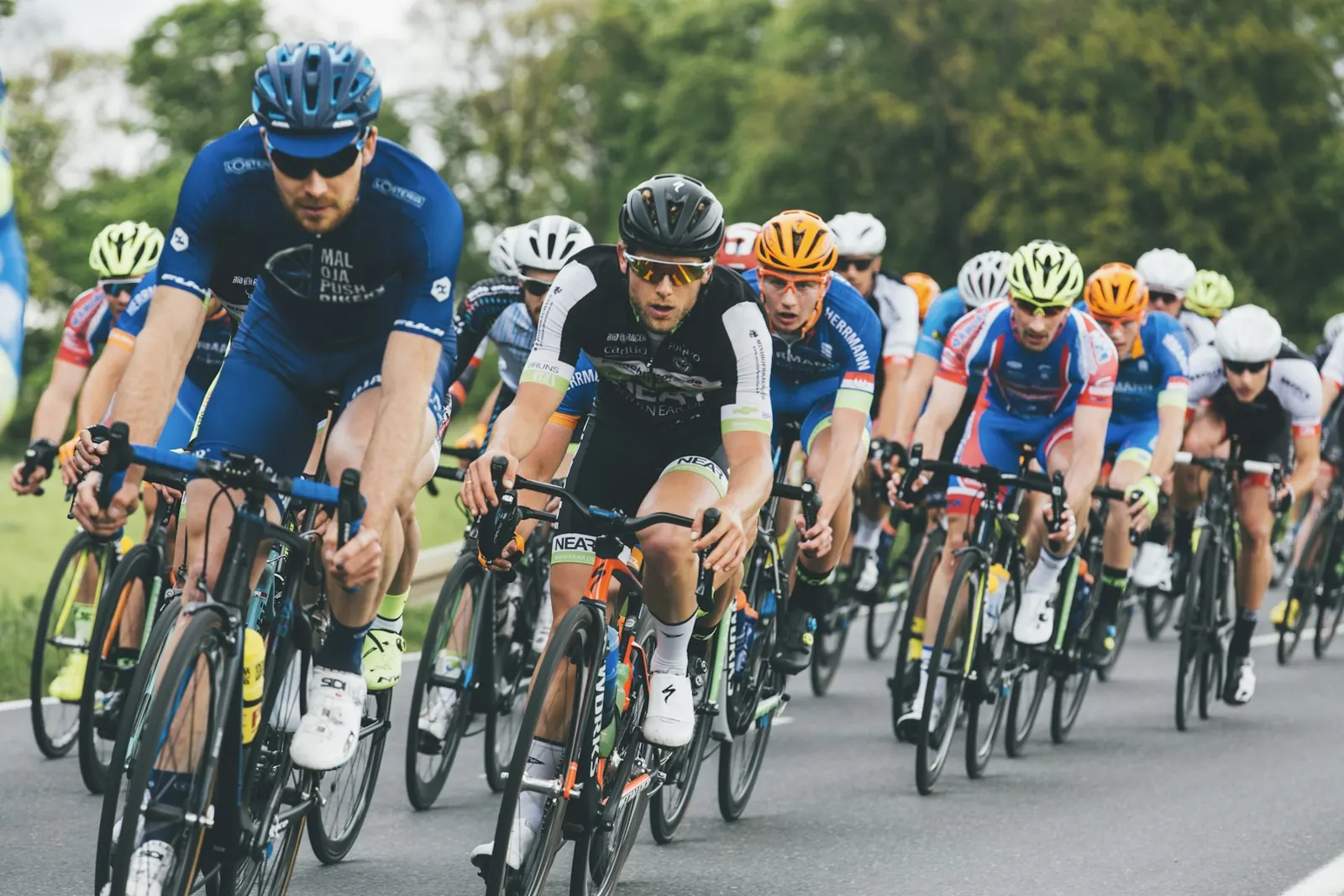
Zone 2 Training: The Slow Work That Makes You Fast
Most amateur runners and cyclists go too hard on their easy days and not hard enough on their hard days. The fix is slower than you'd think. This guide explains the physiology in plain English, shows you three ways to find your own Zone 2, and gives you weekly plans you can start on Monday.
16 min read · Updated 5 October 2026
Habits worth keeping
Not everything needs a 4,000-word guide. These are the small, well-supported habits we keep coming back to.
Sleep before supplements
Seven to nine hours a night does more for recovery than anything you can buy. Protect your sleep in heavy training weeks.
Increase slowly
Big jumps in weekly training load are one of the most common triggers for overuse injuries. Build gradually and take an easier week every three or four.
Eat before hard sessions
A banana or a slice of toast 30 to 60 minutes before intervals makes them feel easier and helps you hit your targets.
Lift twice a week
Two short strength sessions reduce injury risk and improve running economy. Twenty minutes is enough to start.
Warm up properly
Ten minutes of easy movement plus a few short, faster efforts prepares you better than static stretching before sport.
Practise your nerves
Use your breathing and routine in training, so they're automatic when it matters on match day.
Things you've probably been told
A lot of sports advice gets passed around without anyone checking it. Here are four we hear often.
MythEvery session should leave you exhausted.
What the evidence saysMost endurance athletes improve faster when the majority of sessions are easy. Exhaustion every day usually means stalled progress and higher injury risk. Why easy training works.
MythYou have to eat protein within 30 minutes of training.
What the evidence saysYour daily total matters far more. A normal meal within a couple of hours is fine for most people. Our fuelling guide.
MythRest completely until the pain is gone.
What the evidence saysFor most overuse injuries, reduced activity that doesn't aggravate symptoms works better than complete rest. The shin splints guide shows how.
MythIf you're nervous, just calm down.
What the evidence saysTrying to force calm often backfires. Reframing nerves as excitement tends to help more. The pre-game nerves guide.
Whatever sport you play
We write for the person who runs before work, plays five-a-side on Thursdays, swims on Sunday mornings or is training for a first triathlon. You take your sport seriously, but it isn't your job.
So the advice has to fit around real life. We assume you have limited time, no sports scientist on call, and a body that's a few years older than it was when you started.
A weekend footballer and a marathoner have more in common than you'd think. Both need an aerobic base, some strength, enough food and sleep, and a way of handling nerves on the day. So whatever you play, the four lanes on this site should be useful.
We also write with coaches and parents in mind. If you look after a junior team or a running group, our guides are meant to be shared, and they're written so a 15-year-old can follow them.




How we decide what to publish
Health and fitness writing is full of overconfident claims. We try to do the opposite: say what the research shows, how strong it is and where the gaps are.
- We cite sourcesEvery guide lists the studies and position statements it draws on, so you can check our work.
- We rate the evidenceWhen advice is well established we say so. When it's a sensible best guess, we say that too.
- We don't sell curesNo affiliate supplements, no detox plans and no sponsored articles. Ads are clearly labelled and kept separate from the writing.
- We updateWhen new research changes the picture, we rewrite the guide and change the date at the top.
- We know our limitsOur guides are education, not diagnosis. We tell you clearly when to see a professional.
Why another sports health site?
Most of the sports health writing we found while training was either a research paper we couldn't turn into a plan for Tuesday's run, or a confident listicle that turned out to be wrong when we checked the studies.
So we write the guides we kept looking for. They're long enough to cover a topic properly, they say plainly when the evidence is thin, and each one ends with something you can try this week.
Working this way is slow, which is why the site started small and grows one guide at a time. The hope is that each one is good enough to send to a training partner.
If you spot something we've got wrong, or there's a question you'd like answered, please tell us. Reader questions shape most of what we write next, and corrections make every guide better.
Thanks for reading.
The Sports Health Guide team
Before you start reading
Quick answers about the site, the advice and how to use it.
Who writes Sports Health Guide?
The Two Studios, a small independent team. We base every guide on published research and expert position statements, list our sources at the end of each article and update guides when the evidence changes. Read our editorial policy for details.
Is this medical advice?
No. Our guides are general education to help you understand your body and ask better questions. For injuries, symptoms or medical conditions, see a qualified doctor or physiotherapist.
I'm a complete beginner. Where should I start?
Start with the Zone 2 training guide. It explains how to build fitness safely, and the easy-effort approach suits beginners well.
How often do you publish?
Several long guides a week at the moment, across all four lanes. Each one is researched from the studies up and lists its sources.
Why are there ads on the site?
Advertising pays for the research and writing and keeps every guide free to read. Ads are labelled, and advertisers have no say over what we write.
Can I suggest a topic?
Yes, please do. Use the contact page to tell us what you want to read about. Reader questions shape most of our upcoming guides.
Get one useful email a week
New guides as they come out, plus one practical training idea. Sunday mornings, and short enough to read over coffee.