
Train your head as well as your body
Practical sport psychology for athletes at every level: managing nerves, staying focused under pressure, building confidence and keeping motivation through the long middle of a season.
Start with this guide
Every guide in this lane lists its sources at the end. Start with this one, then work through the newer guides below.
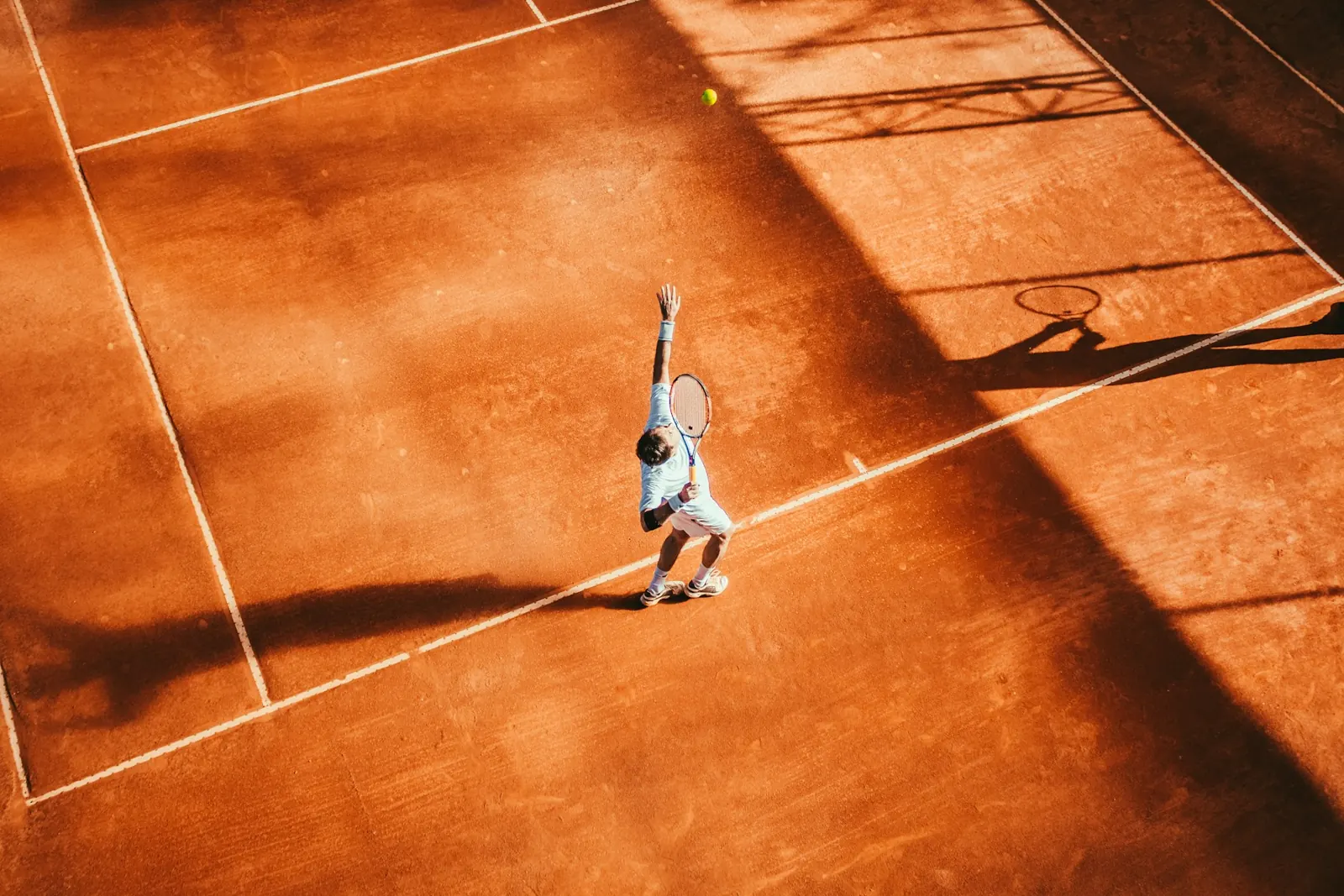
Pre-Game Nerves: How to Turn Anxiety Into Performance
Why trying to calm down often backfires, and practical techniques to make pre-competition nerves work for you.
Read the guide →Newer guides

How to Stay Motivated to Exercise When You Don't Feel Like It
Why motivation fades, why habits beat willpower and research-backed ways to keep training through busy weeks and bad weather.
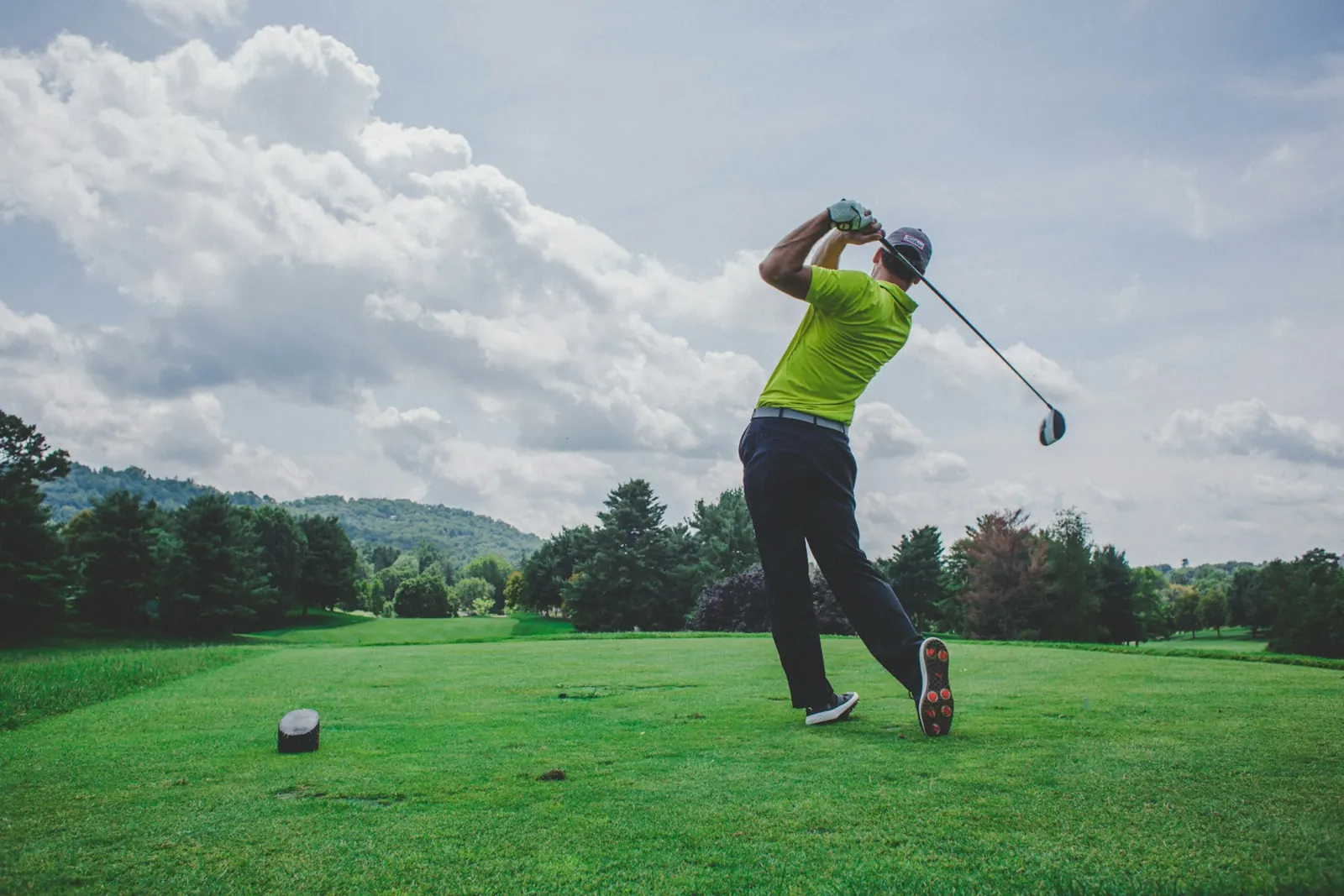
Visualisation for Athletes: How to Use Mental Imagery That Works
What mental imagery does, what the research shows, and a step-by-step method for practising it so it carries over to competition.

Mental Toughness in Sport: What It Really Is and How to Build It
What mental toughness really means, why it's more skill than personality, and practical ways to build it in training.
Mental skills can be practised
Ask athletes what separates a good day from a bad one and plenty will say it was mostly in their head. Then ask how much time they spend training their head. Usually the answer is none.
Sport psychology has an image problem. It sounds either fluffy ("just believe in yourself") or like something reserved for Olympians with a support team. In practice, the most useful mental skills are simple techniques anyone can learn: a breathing pattern that takes the edge off, a routine that gets you into the right headspace, a way of talking to yourself that helps rather than hurts.
Like physical skills, they get better with practice and tend to fall apart if you only try them on the big day. That's why every guide in this lane ends with something you can practise in training this week, before you need it in competition.
We start with the most common problem of all: nerves before a game, race or match, and why trying to calm down is often the wrong move.
One boundary worth stating clearly. Performance nerves are normal. Anxiety that affects your sleep, mood or daily life, or that stops you competing altogether, is something to talk to a professional about. Our guides point you there when it's relevant.
Sport psychology ideas worth knowing
Sport psychology research keeps coming back to these themes. Each one is easy to understand and takes practice to use.
Arousal isn't the enemy
A racing heart before competition is your body getting ready. How you read it matters more than whether you feel it.
Process over outcome
Focusing on actions you control, like your first stroke or your next pass, reduces anxiety and improves execution.
Routines anchor you
A consistent pre-performance routine gives your attention somewhere to go when pressure rises.
Self-talk shapes action
Short instructional cue words such as "drive", "tall" or "smooth" can improve technical performance.
Breathing is a lever
Slow breathing with a longer exhale is one of the quickest ways to bring an over-revved nervous system down a notch.
Confidence comes from evidence
Real confidence is built from preparation you can point to, not from positive thinking alone.
A four-week mental skills starter plan
Mental skills work the same way physical ones do: little and often beats a big effort the night before a final. Here's a simple four-week plan that fits around normal training.
Week one: notice. After each session or match, write two lines. What was going on in your head at the hardest moment? What did your body feel like? You're not trying to change anything yet, just learning your own patterns.
Week two: breathe. Practise slow breathing for three minutes a day: in through the nose for four counts, out for six to eight. Do it once at home when you're calm and once during training, between drills or intervals. The aim is to make it automatic.
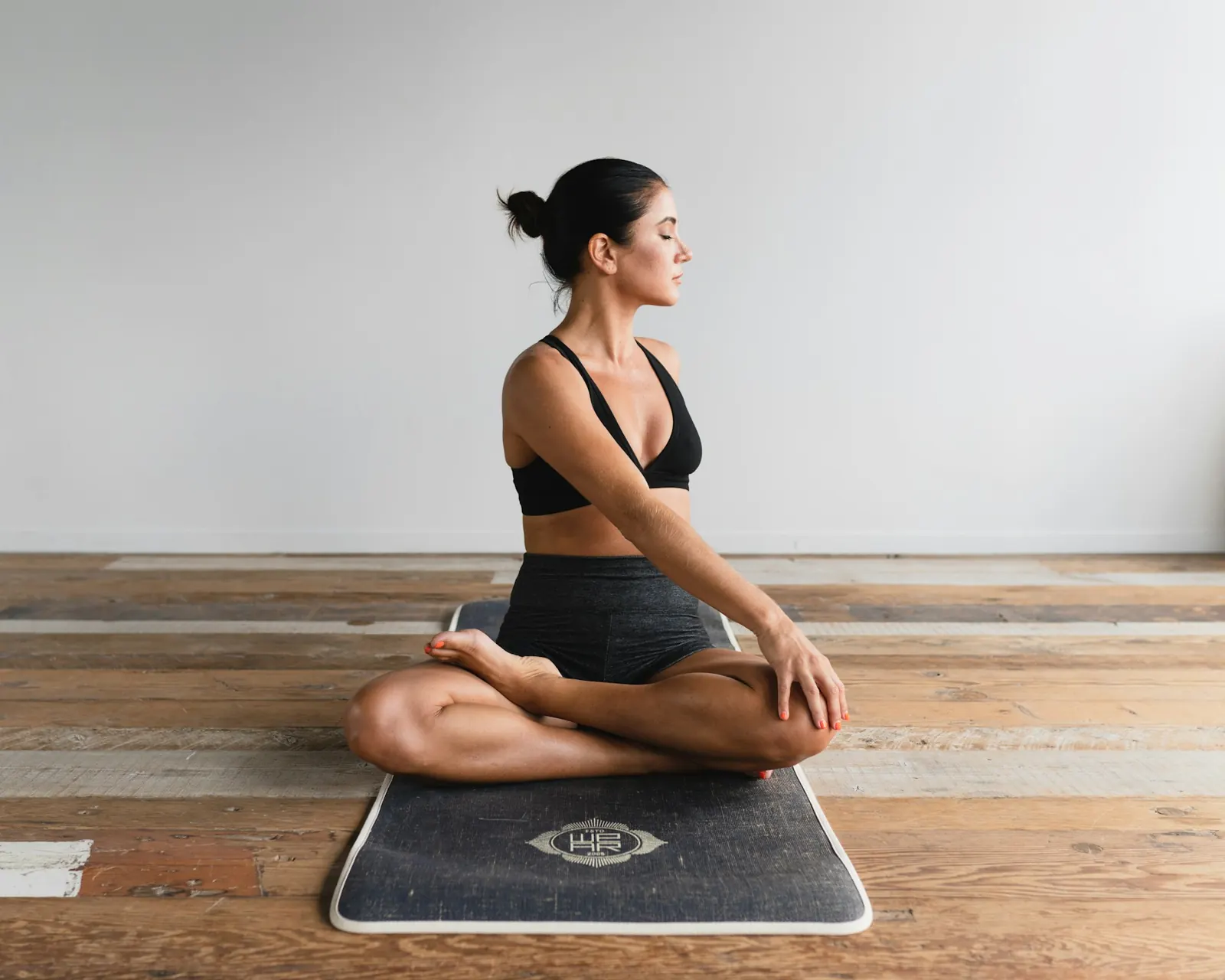
Week three: cue words. Pick one technical cue word for your most important skill ("smooth", "drive", "watch the ball") and one for when you're tired ("strong", "light"). Use them on purpose in every session.
Week four: build a routine. Put the pieces together into a 20 to 30 second routine you do before key moments: one slow breath, your cue word, a look at the target, go. Then rehearse a longer pre-event routine before a low-stakes competition or a hard training session.
By the end of the month you'll have a routine you've practised dozens of times. That's what makes it hold up under pressure. Our pre-game nerves guide explains the research behind each step.
Mindset myths
Ideas that get repeated in changing rooms and comment sections, and what the research says about them.
MythMental toughness is something you're born with.
What the evidence saysSkills like self-talk, imagery and pre-performance routines can be learned and improve with practice, according to many controlled studies.
MythVisualisation is just daydreaming about winning.
What the evidence saysUseful imagery is detailed and specific: rehearsing the feel, sounds and decisions of real moments, including how you'd respond when things go wrong.
Mindset glossary
Plain-English definitions for the terms that come up across this lane.
- Arousal
- The body's level of physical activation: heart rate, breathing, alertness. Some is needed for good performance.
- Cognitive anxiety
- Worried thoughts about performance, such as fear of failing or of being judged.
- Reappraisal
- Reinterpreting physical nerves as excitement or readiness, rather than trying to suppress them.
- Choking
- A sudden drop in performance under pressure, often caused by over-thinking skills that are normally automatic.
- Pre-performance routine
- A consistent sequence of thoughts and actions before a skill or event, used to focus attention.
- Self-talk
- What you say to yourself, out loud or silently. Instructional and motivational self-talk both have research support.
- Imagery
- Mentally rehearsing a skill or situation using as many senses as possible. Also called visualisation.
- Process goal
- A goal about actions you control during performance, such as "strong first five strokes".
Mindset FAQ
Can mental skills really improve performance?
Yes. Techniques such as self-talk, imagery and goal-setting have been tested in many controlled studies and show consistent, if modest, benefits. Modest gains often decide close contests.
Do I need a sport psychologist?
Most athletes can learn the basics on their own. A qualified sport psychologist is worth seeing if anxiety, motivation or confidence problems persist, or if you're dealing with injury, burnout or a big life change.
How long does it take to learn a mental skill?
Simple techniques like a breathing pattern can help within days. Making them automatic under pressure usually takes several weeks of regular practice in training.
Does music help before competing?
It can. Upbeat music can raise activation if you feel flat, and calmer music can help if you're over-revved. Use it as part of your routine and test it before big events.
Keep reading

Hydration for Athletes: How Much to Drink and When to Add Salt
How much to drink before, during and after exercise, how to find your sweat rate and when electrolytes are worth it.

Sleep for Athletes: How Much You Need and How to Get More
Why sleep matters for performance and injury, how much athletes need and practical ways to sleep better around training.

Creatine for Athletes: Benefits, Dosage and Is It Safe?
What creatine does, who benefits, how much to take, whether to load and what the research says about safety and side effects.
Get one useful email a week
New guides as they come out, plus one practical training idea. Sunday mornings, and short enough to read over coffee.