On this page
- The short answer: how much protein per day
- Why athletes need more protein
- How much protein per meal
- Protein timing around training
- The best protein sources for athletes
- A sample high-protein day
- Protein for plant-based athletes
- Protein for older athletes
- Protein when you're trying to lose weight
- Protein for endurance athletes
- Protein on rest days
- Common protein mistakes
- Reading a nutrition label for protein
- Do you need protein shakes?
- Is too much protein harmful?
- How to hit your target: a quick checklist
- FAQ
- Sources
The short version
- Most athletes do well on 1.4 to 2.0 g of protein per kg of body weight per day. Gains in muscle tend to level off around 1.6 g/kg.
- Spread it out. Around 0.3 g/kg (about 20 to 40 g) per meal, four or so times a day, beats one huge serving.
- Endurance athletes need more than sedentary people too, not just lifters.
- Whole foods cover most needs. Shakes are a convenience, not a requirement.
- Plant-based athletes can hit the same targets by eating a little more protein and mixing sources.
Protein has become the most marketed nutrient in sport. It's added to cereal, crisps, coffee and ice cream, and gym culture treats it as the answer to almost everything. Meanwhile plenty of runners, cyclists and team-sport players still eat surprisingly little of it, because they assume protein is only for people building muscle.
Both camps are a bit off. Active people genuinely do need more protein than sedentary people, but the amounts are achievable with ordinary food, and there's a ceiling beyond which extra protein stops helping.
This guide gives you the numbers: how much protein you need a day, how much per meal, how to spread it out, the best food sources, what changes for plant-based athletes and older athletes, and whether protein shakes are worth paying for.
The short answer: how much protein per day
The International Society of Sports Nutrition's 2017 position stand recommends 1.4 to 2.0 grams of protein per kilogram of body weight per day for most exercising people. That's roughly double the standard recommended intake for the general population, which is 0.8 g/kg.
| Body weight | 1.4 g/kg | 1.6 g/kg | 2.0 g/kg |
|---|---|---|---|
| 55 kg | 77 g | 88 g | 110 g |
| 65 kg | 91 g | 104 g | 130 g |
| 75 kg | 105 g | 120 g | 150 g |
| 85 kg | 119 g | 136 g | 170 g |
| 95 kg | 133 g | 152 g | 190 g |
Where you sit in that range depends on your goals and training:
- Around 1.4 g/kg: recreational endurance athletes and people training a few times a week for general fitness.
- Around 1.6 g/kg: most people doing regular strength training who want to build muscle. This is where the benefit levels off for most.
- Up to 2.0 g/kg or a bit higher: people trying to lose fat while keeping muscle, athletes in very heavy training, and older athletes.
Where does 1.6 g/kg come from?
In 2018, Robert Morton and colleagues published a meta-analysis of 49 trials, with nearly 1,900 participants, looking at protein supplementation during resistance training. Extra protein increased gains in muscle mass and strength, but the benefit for muscle mass plateaued at around 1.6 g/kg per day. Beyond that, there was little added gain on average. The authors noted that some individuals might benefit from up to about 2.2 g/kg, which is why many sports dietitians use that as an upper practical limit.
That's useful to know because it cuts through a lot of gym folklore. You don't need 3 or 4 g/kg. For most people, the extra protein simply gets burned for energy.

Why athletes need more protein
Muscle is constantly being broken down and rebuilt. Training speeds up both processes. Eating protein supplies the amino acids that muscles use to repair and rebuild, and it directly switches on muscle protein synthesis for a few hours after each meal.
Strength athletes need protein to build new muscle. Endurance athletes need it to repair damage from long sessions, to build new mitochondria and other proteins involved in aerobic fitness, and to support immune function. Team-sport players need a bit of both.
The 2016 joint position statement from the American College of Sports Medicine, Dietitians of Canada and the Academy of Nutrition and Dietetics gives a slightly lower range of 1.2 to 2.0 g/kg, with an emphasis on spreading protein across the day. The two statements agree on the important points.
How much protein per meal
Your daily total matters most, but how you split it also makes a difference.
In 2009, Daniel Moore and colleagues gave young men different amounts of egg protein after a leg workout and measured how fast their muscles built new protein. Muscle protein synthesis rose with protein dose up to about 20 g, then levelled off. Extra protein above that was mostly oxidised for energy.
Later research suggests the ideal per-meal amount is somewhat higher after whole-body workouts and in larger or older people, so many experts now recommend around 0.3 g per kg of body weight per meal, or roughly 20 to 40 g for most adults.
Spread it, don't stack it
A 2013 study by José Areta and colleagues compared three ways of eating the same 80 g of protein over 12 hours after a workout: eight snacks of 10 g, four meals of 20 g, or two meals of 40 g. The four-by-20 g pattern led to the highest rate of muscle protein synthesis.
The practical message: rather than a small breakfast, small lunch and enormous dinner, aim for three to five meals or snacks of 20 to 40 g spread through the day.
For most people, breakfast is the lowest-protein meal by far. Toast and coffee might give you 6 g. Swapping to Greek yoghurt, eggs or a protein-rich porridge often fixes the biggest gap in the day in one go.
Protein timing around training
The old "30-minute anabolic window" has been relaxed considerably. Your muscles stay more sensitive to protein for at least 24 hours after training. If you eat a protein-containing meal a few hours before and a few hours after, you're well covered.
A few situations where timing matters more:
- Training fasted: if you lift or do a hard session before breakfast, eating protein soon afterwards makes more sense.
- Two sessions a day: protein and carbohydrate after the first session support recovery before the second.
- Before bed: a 2012 study by Peter Res and colleagues found that 40 g of casein protein taken before sleep after evening exercise increased overnight muscle protein synthesis. Casein is the main protein in milk, so Greek yoghurt, cottage cheese or a glass of milk all count.
Our guide to eating before, during and after exercise covers timing in more detail, including carbohydrate.
The best protein sources for athletes
Not all protein is equal. Quality depends on how many essential amino acids a food contains, how digestible it is, and especially how much leucine it has. Leucine is the amino acid that acts as the main "on switch" for muscle protein synthesis.
| Food | Typical portion | Protein (approx.) | Notes |
|---|---|---|---|
| Chicken breast | 150 g cooked | 40 g | Lean and versatile |
| Salmon | 150 g cooked | 33 g | Also omega-3 fats |
| Lean beef mince | 150 g cooked | 38 g | Good source of iron |
| Eggs | 3 large | 19 g | Cheap, quick, high quality |
| Greek yoghurt | 200 g | 18 to 20 g | Rich in casein |
| Cottage cheese | 200 g | 22 g | Good before bed |
| Milk | 500 ml | 17 g | Easy recovery drink |
| Tofu (firm) | 200 g | 24 to 30 g | Varies by brand |
| Lentils | 1 cup cooked | 18 g | Plus fibre and carbohydrate |
| Chickpeas | 1 cup cooked | 15 g | Plus fibre and carbohydrate |
| Whey protein powder | 1 scoop (30 g) | 22 to 25 g | Convenient, high in leucine |
Values vary by product and preparation, so treat these as rough guides. The point is that one ordinary portion of most protein foods gets you close to a full meal's worth.

A sample high-protein day
Here's what about 130 g of protein looks like for a 75 kg athlete aiming for roughly 1.7 g/kg, using normal food:
| Meal | Food | Protein |
|---|---|---|
| Breakfast | Porridge made with milk, topped with 150 g Greek yoghurt and berries | ~25 g |
| Lunch | Wholegrain wrap with 120 g chicken, salad and hummus | ~35 g |
| Afternoon snack | Two boiled eggs and an apple | ~13 g |
| Dinner | 150 g salmon, rice and vegetables | ~35 g |
| Evening | 200 g cottage cheese or a glass of milk with a small handful of nuts | ~22 g |
| Total | ~130 g |
No shakes, no special products. Just a decent portion of protein at each meal.
Protein for plant-based athletes
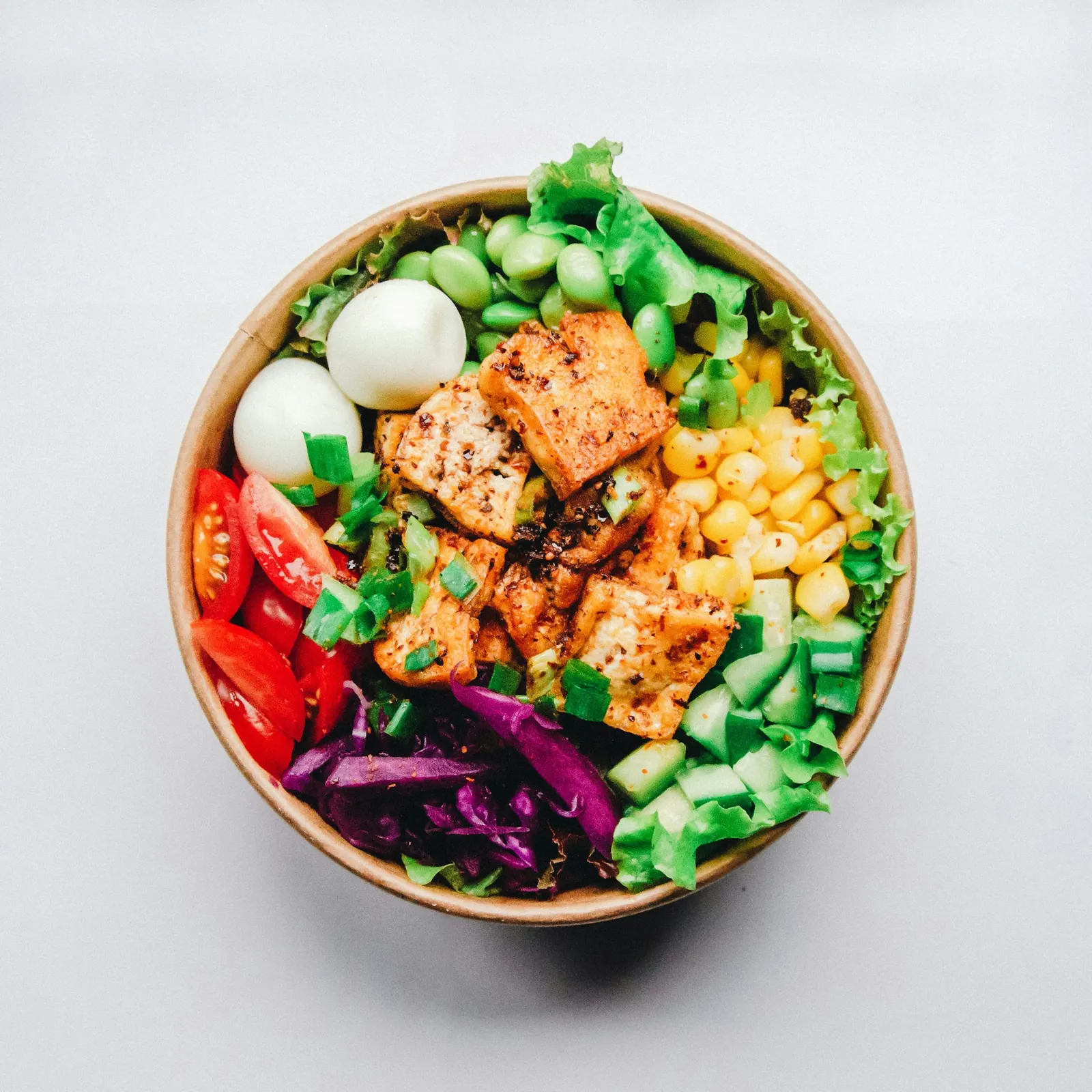
Vegetarian and vegan athletes can meet the same targets. A few adjustments help:
- Aim a little higher. Plant proteins tend to be slightly less digestible and lower in leucine, so many dietitians suggest aiming for the upper half of the range and closer to 30 to 40 g per meal.
- Mix sources. Different plants have different amino acid profiles. Combining legumes, grains, soy, nuts and seeds over the day covers everything.
- Lean on soy. Tofu, tempeh, edamame and soy milk are among the highest-quality plant proteins.
- Consider a plant protein powder. Pea, soy or blended powders make higher targets easier, especially at breakfast.
Protein for older athletes
As we age, muscles become less responsive to protein, a phenomenon researchers call "anabolic resistance". Older adults typically need more protein per meal to get the same response, often closer to 0.4 g/kg per meal, or around 30 to 40 g.
Combined with strength training, adequate protein helps slow age-related muscle loss. For masters athletes, hitting the upper half of the daily range and including a protein-rich breakfast is a sensible default. If you have kidney disease or another medical condition, check with your doctor first.
Protein when you're trying to lose weight
During a calorie deficit, your body is more likely to break down muscle as well as fat. Higher protein intake, towards 2 g/kg or a little more, helps protect muscle. Protein is also the most filling macronutrient, which makes a deficit easier to stick to.
Keep the deficit modest, keep strength training, and keep carbohydrate around your hardest sessions so performance doesn't collapse. A combination of slow weight loss, high protein and heavy lifting is the most reliable way to lose fat while keeping strength.
Protein for endurance athletes
Runners, cyclists and triathletes often think of protein as a lifter's concern and focus almost entirely on carbohydrate. Carbohydrate is the main fuel for hard endurance work, so that instinct isn't wrong. But long and hard sessions also break down muscle protein, and the repair work afterwards is what turns training into fitness.
Endurance training builds new mitochondria, enzymes and capillaries, all of which are made from protein. Low protein intakes may blunt some of those adaptations and slow recovery between hard sessions.
Practical points for endurance athletes:
- Aim for about 1.4 to 1.6 g/kg on most days, higher in very heavy training blocks.
- Don't let carbohydrate push protein off the plate. A big bowl of pasta needs a protein source next to it.
- After long or hard sessions, combine 20 to 40 g of protein with carbohydrate. Chocolate milk, a yoghurt with granola and fruit, or a sandwich with chicken or egg all work.
- On race weeks, keep protein steady while you increase carbohydrate.
Protein on rest days
Muscle repair and remodelling continue for 24 to 48 hours after hard training. Rest days are part of that process, so protein needs don't drop much. Keep eating protein at every meal on rest days. What usually falls on rest days is carbohydrate, because you're burning less fuel, not protein.
Common protein mistakes
- Back-loading the day. Very little protein until dinner, then a huge steak. Spreading it out works better.
- Relying on "high protein" snacks. Many protein bars and crisps add only a few grams of protein along with a lot of sugar or fat. Check the label: a useful snack gives you at least 10 to 15 g.
- Going far past your needs. Eating 3 g/kg doesn't build more muscle than 1.6 to 2.2 g/kg. It just costs more and crowds out other foods.
- Forgetting older athletes need more per meal. Masters athletes benefit from the higher end of the per-meal range.
- Under-eating overall. If total calories are too low, your body uses more protein for energy rather than repair. Enough total food comes first.
Reading a nutrition label for protein
Food labels list protein per 100 g and often per serving. To compare foods quickly, look at protein per 100 kcal: foods with 10 g or more of protein per 100 kcal (such as chicken breast, white fish, cottage cheese, Greek yoghurt, tofu and whey) are very protein-dense. Foods like nuts and cheese contain good amounts of protein but come with a lot more energy, which is fine if you need the calories but worth knowing if you're trying to lose weight.
Do you need protein shakes?
No. Protein powder is just food in a convenient form. It's useful when:
- You struggle to reach your target with meals alone.
- You need something quick and portable after training.
- You're plant-based and want an easy high-protein breakfast.
If you do use a powder, competitive athletes subject to drug testing should choose products certified by a third-party testing programme, because supplements can be contaminated with banned substances.

Is too much protein harmful?
In healthy adults, intakes within the ranges above appear safe. Concerns about protein damaging kidneys or bones in healthy people haven't been borne out by the research. People with existing kidney disease are different and should follow medical advice.
The more practical risk of very high protein intakes is displacement: eating so much protein that you don't eat enough carbohydrate to fuel training, or enough fruit, vegetables and fibre. For endurance athletes in particular, a plate that's three-quarters chicken and one-quarter rice is the wrong way round.
How to hit your target: a quick checklist
- Work out your daily target: your weight in kg × 1.4 to 2.0.
- Divide by four. That's roughly your per-meal target.
- Make sure every meal has one clear protein source: meat, fish, eggs, dairy, tofu, tempeh or legumes.
- Fix breakfast first if it's light.
- Add a protein-rich snack before bed on hard training days.
- Use a shake only if you can't get there with food.
Protein works best alongside training that gives your muscles a reason to adapt. If you're a runner who hasn't started lifting yet, our strength training guide for runners is a good next step.
Frequently asked questions
Is too much protein bad for your kidneys?
In healthy people, protein intakes up to around 2 g/kg a day haven't been shown to harm kidney function. If you have kidney disease, follow your doctor's advice, because needs are different.
Do I need protein shakes?
No. They're a convenient way to hit a target when food isn't practical. A meal with chicken, fish, eggs, dairy, tofu or lentils does the same job.
How much protein can your body absorb at once?
You absorb almost all the protein you eat. The question is how much your muscles use for building at one time, which seems to peak around 20 to 40 g for most people, a bit more after whole-body workouts.
Do endurance athletes need as much protein as lifters?
Close to it. Endurance training also breaks down muscle protein, and the ISSN's 1.4 to 2.0 g/kg range applies to most athletes. Runners on the lighter end of training can sit near 1.4 g/kg.
What's a good high-protein breakfast?
Greek yoghurt with fruit and nuts, eggs on toast, porridge made with milk plus a scoop of protein, or tofu scramble. Breakfast is the meal most people are lowest in.
Should I eat more protein when trying to lose weight?
Yes. During a calorie deficit, higher protein (towards 2 g/kg or a bit more) helps you hold on to muscle and keeps you fuller.
Sources and further reading
- Jäger R, et al. International Society of Sports Nutrition Position Stand: protein and exercise. Journal of the International Society of Sports Nutrition, 2017;14:20. DOI PubMed
- Morton RW, et al. A systematic review, meta-analysis and meta-regression of the effect of protein supplementation on resistance training-induced gains in muscle mass and strength in healthy adults. British Journal of Sports Medicine, 2018;52(6):376-384. DOI PubMed
- Moore DR, et al. Ingested protein dose response of muscle and albumin protein synthesis after resistance exercise in young men. The American Journal of Clinical Nutrition, 2009;89(1):161-8. DOI PubMed
- Areta JL, et al. Timing and distribution of protein ingestion during prolonged recovery from resistance exercise alters myofibrillar protein synthesis. The Journal of Physiology, 2013;591(9):2319-31. DOI PubMed
- Thomas DT, et al. Position of the Academy of Nutrition and Dietetics, Dietitians of Canada, and the American College of Sports Medicine: Nutrition and Athletic Performance. Journal of the Academy of Nutrition and Dietetics, 2016;116(3):501-528. DOI PubMed
- Res PT, et al. Protein ingestion before sleep improves postexercise overnight recovery. Medicine and Science in Sports and Exercise, 2012;44(8):1560-9. DOI PubMed
This guide is general education, not a diagnosis or treatment plan. If you have pain that is severe, getting worse or not improving after two to three weeks, see a doctor or physiotherapist. Read our full medical disclaimer.
Photography: Unsplash contributors. Published 15 October 2026, last reviewed 15 October 2026.